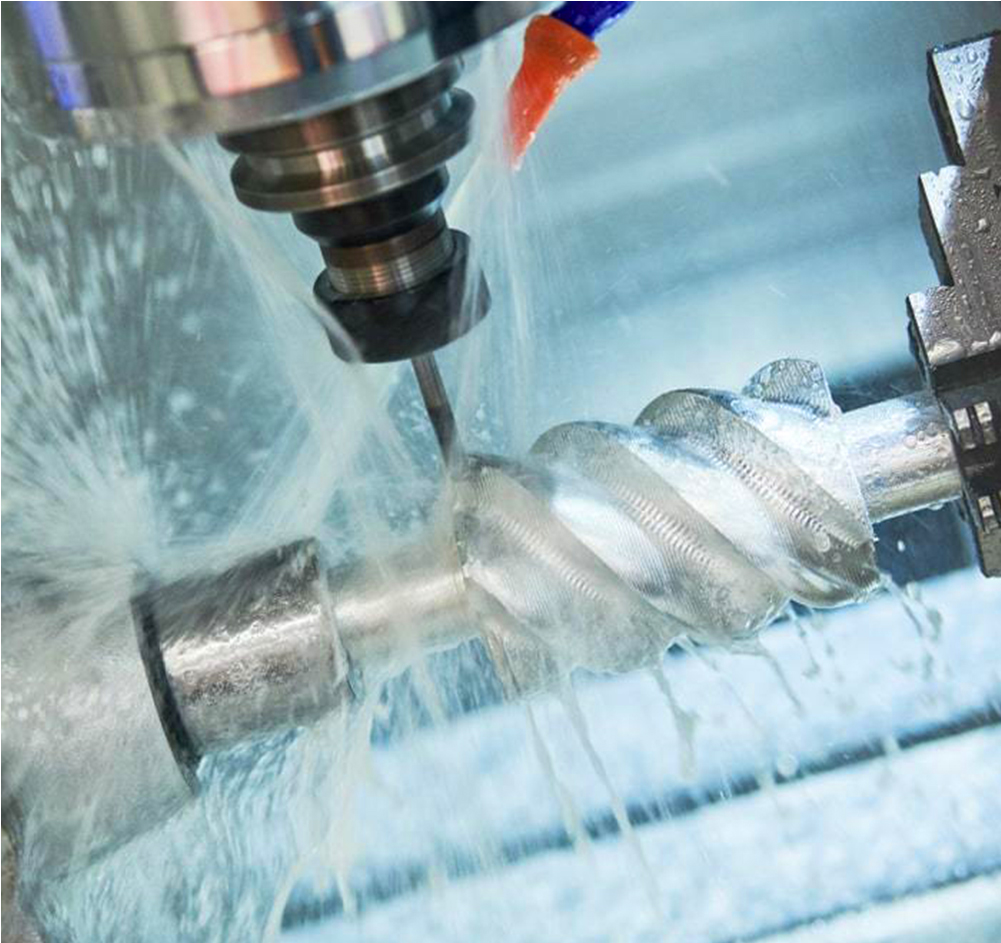
How CNC Machining Accelerates Medical Device Manufacturing
with
Precision and Speed

I.Overcoming Key Challenges in Medical Device Manufacturing
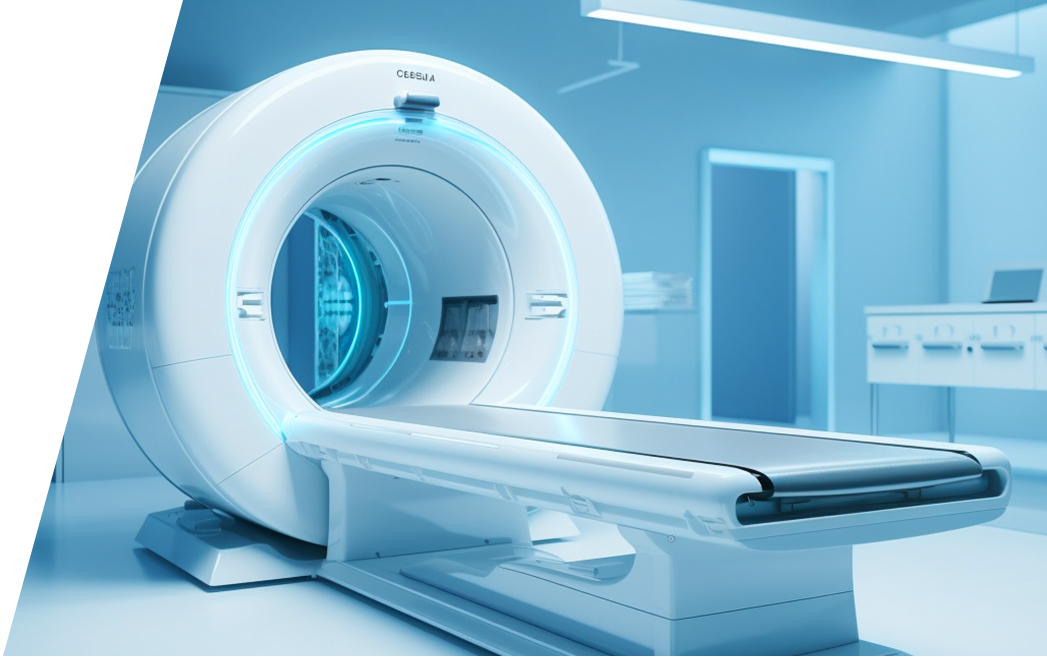
II.Why CNC Machining is a Game-Changer for Medical Device Development
1.Multi-Dimensional Precision Control
CNC Machining provides exceptional accuracy and reliability through five key aspects:
2.Production Flexibility

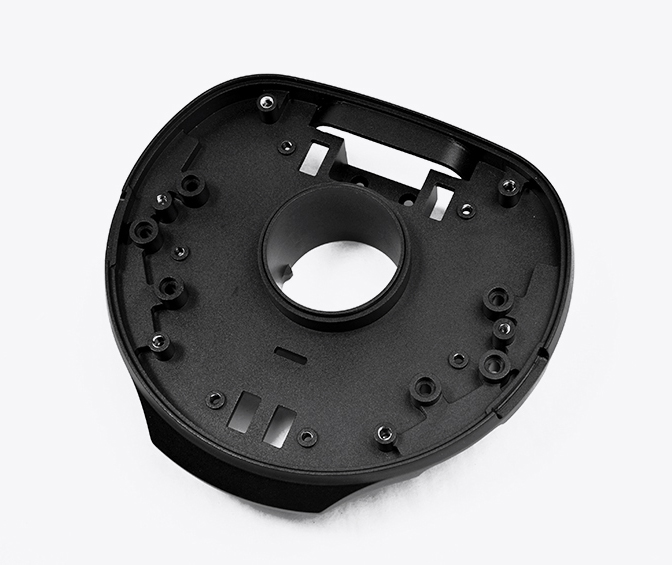

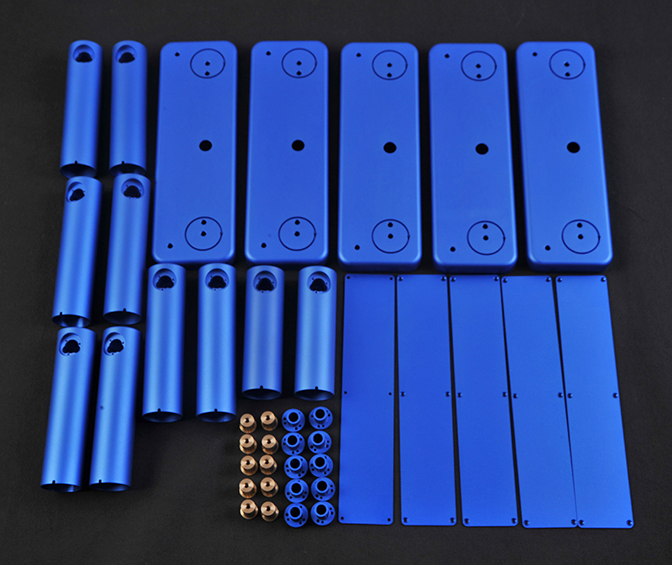
III. Meeting Stringent Quality & Compliance Standards in CNC Machining
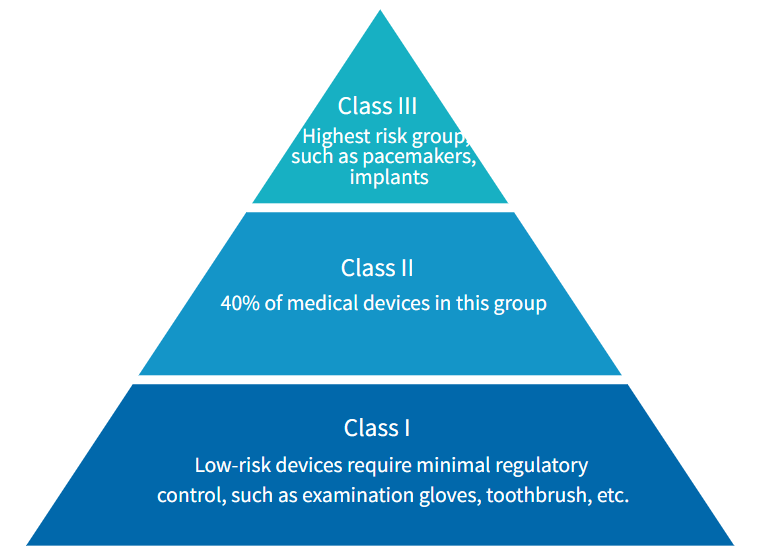
1.Medical Device Classification
• Class I: Low-risk devices such as diagnostic tools, bandages, and surgical instruments. These devices generally require minimal regulatory control.
• Class II: Moderate-risk devices including patient monitors, infusion pumps, and imaging equipment. These devices require additional regulatory oversight, including performance standards and post-market surveillance.
• Class III: High-risk devices, typically implantable or life-supporting, which require pre-market approval.
2.The Role of ISO 9001: 13485
IV. 5 Key Advantages of RPWORLD's CNC Machining for Medical Device Manufacturing
• Extensive Industry Experience and ISO 13485 Certification
Over 20 years of expertise and ISO 13485 certification ensure compliance and reliability in CNC machining solutions for medical devices.
• Fast and Flexible
Turnaround
With lead times as fast as 3 days, RPWORLD helps meet tight
project deadlines.
• Precision and
Compliance
Delivering high-precision components that meet DIN ISO 2768M (F)
standards, ensuring the accuracy required for medical devices.
• Advanced
Post-Processing
Offering anodizing, plating, and laser engraving services
tailored to medical needs, enhancing durability and functionality.
• Versatile Material
Options
Providing over 100 material choices, including medical-grade options
such as PEEK and stainless steel, for diverse medical applications.