






Lightweight Design & Structural Stability
- Thin-wall and deep-pocket structures
- Deflection and flatness risks
- Weight-to-stiffness balance
- Stability under changing loads
Robotics projects combine moving structures, precision interfaces, sensors, actuators, electronics, and
multiple manufacturing processes. Lightweight design,
tolerance relationships, assembly integration, and
frequent revisions can all affect motion performance, build consistency, and project timelines.
Robotics systems often combine precision interfaces, molded plastic parts, low-volume housings, and
fabricated structures.
RPWORLD provides CNC Machining,
Injection Molding, Urethane Casting, and Sheet Metal Fabrication to
support robotics projects from engineering builds to low- and mid-volume production.
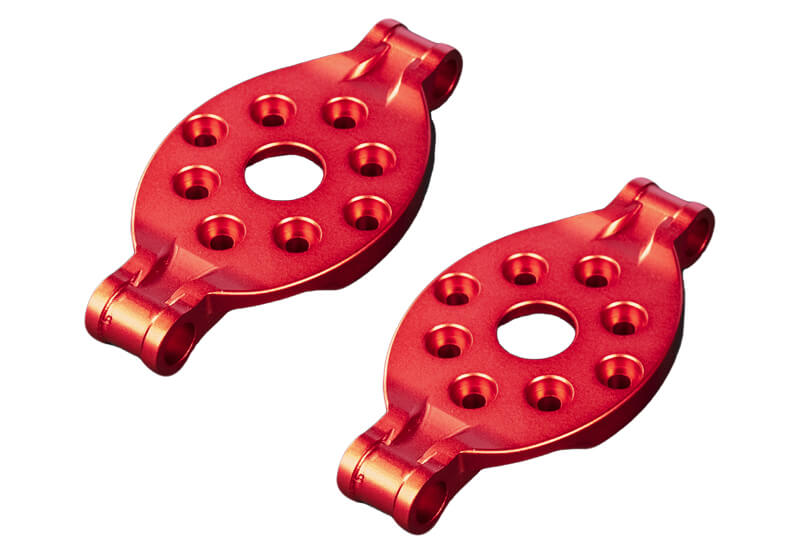
Supports robotics components such as actuator housings, bearing seats, joint parts, shafts, end-effector plates, and sensor mounts. With 3-, 4-, and 5-axis CNC machines, turning, EDM, and drilling running 24/7, RPWORLD helps teams iterate faster while maintaining critical dimensions and interface accuracy.
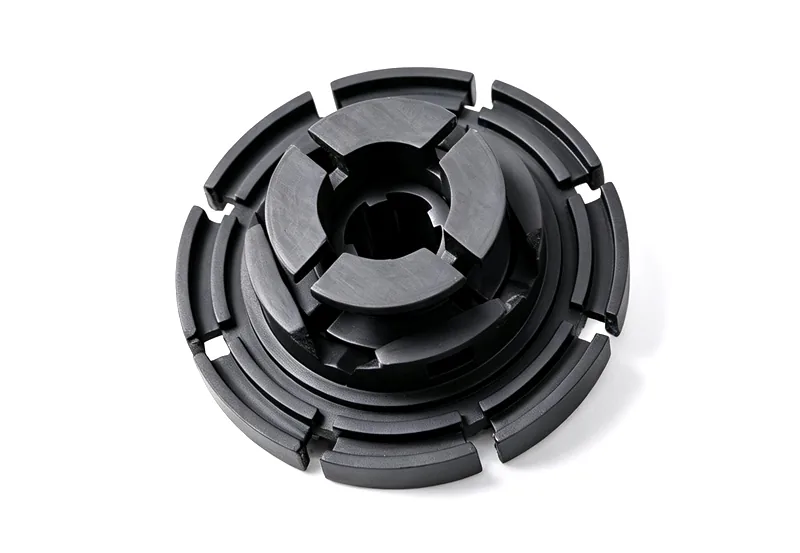
Suitable for repeatable robotics components such as protective covers, sensor housings, cable guides, and functional brackets. Overmolding, insert molding, and family molds can help integrate functions and support scalable production.
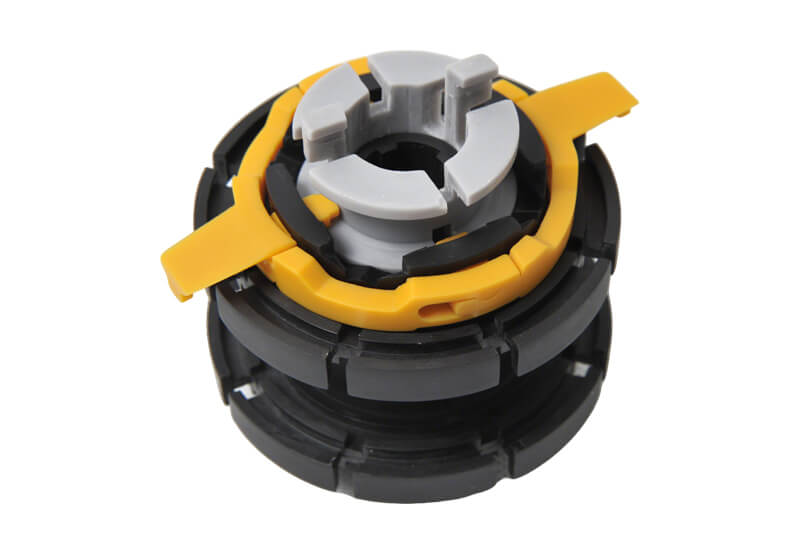
A fast, cost-effective option for small batches of production-like robotics components, including housings, protective parts, flexible pads, and user-facing panels. It supports design validation, field testing, and pilot builds without requiring costly hard tooling.
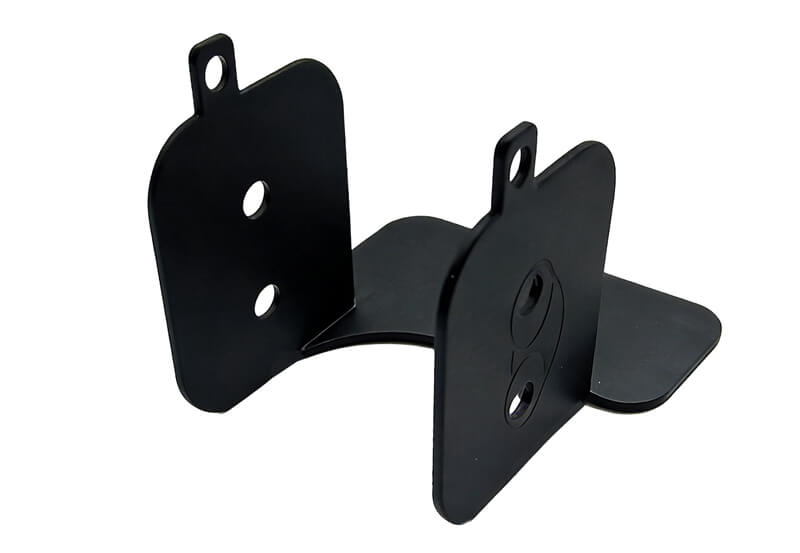
Support chassis, robot frames, battery trays, controller cabinets, mounting brackets, sensor guards, and protective enclosures. RPWORLD provides laser cutting, bending, welding, finishing, hardware insertion, and assembly services.
From early design review to repeatable production parts, RPWORLD supports lightweight structures,
motion-critical interfaces, assembly integration, and changing robotics project requirements.
Reviews lightweight features, critical interfaces, materials, processes, and finishes to reduce deformation, assembly, and manufacturing risks.
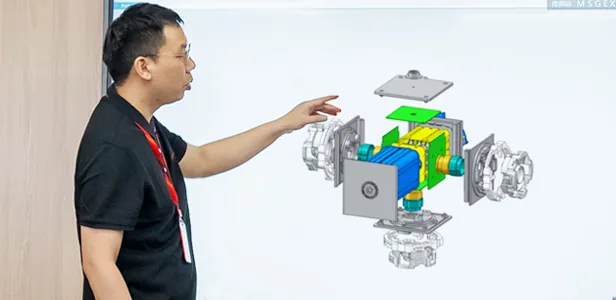
Produces custom parts for assembly checks, design updates, and faster engineering iteration.
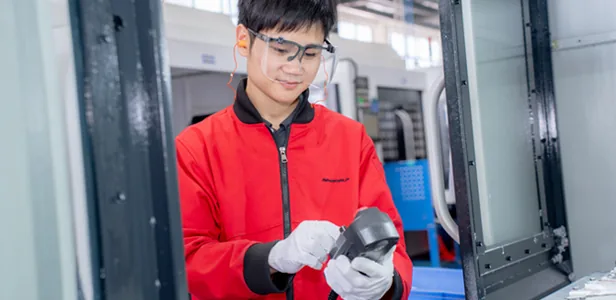
Provides parts for evaluating interface fit, alignment, movement, load response, and assembly performance.
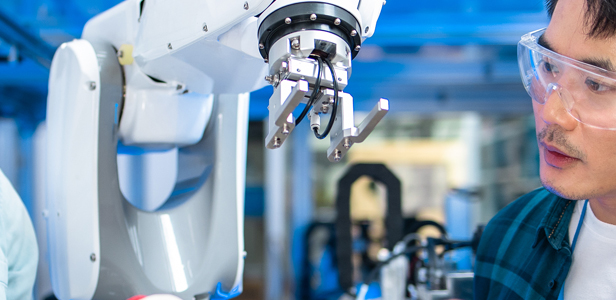
Supports low- to mid-volume production while maintaining interface accuracy and batch consistency.
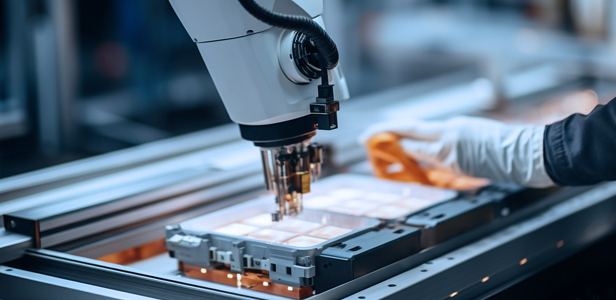
Coordinates finishing, marking, hardware installation, and pre-assembly to improve part protection and assembly readiness.
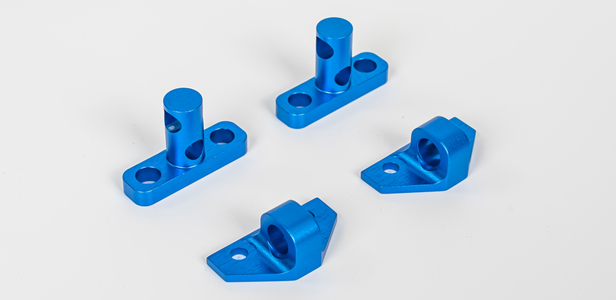
One-stop manufacturing covers machining, molding, sheet metal, finishing, and pre-assembly to reduce supplier handoffs.
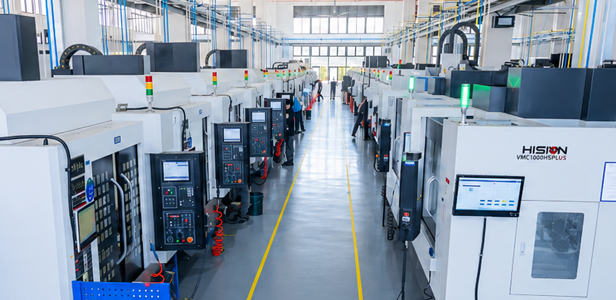
Robotics components require materials that balance weight, stiffness, wear resistance, impact strength, and
repeated-motion performance.
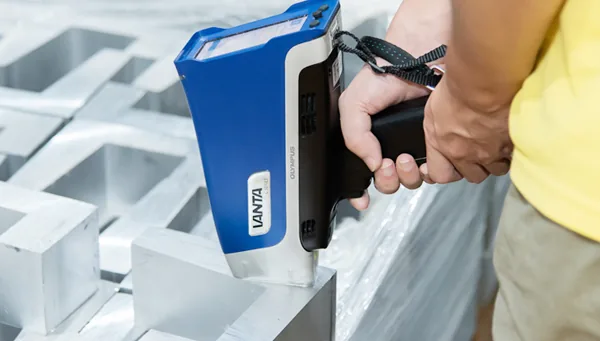
RPWORLD supports 100+ engineering materials across multiple manufacturing processes, with RoHS, REACH, and
documentation available where applicable.
RPWORLD provides surface finishing, marking, and assembly-related support for robotics parts, helping teams
improve wear resistance, corrosion protection, part identification, surface consistency, and assembly
readiness.

Add clear markings for part IDs, assembly positions, and logos. This helps reduce assembly errors and improve maintenance clarity.
Protect exposed metal parts and selected moving components against corrosion, handling, and surface wear.
Control roughness, texture, and selected contact surfaces to support sliding, gripping, assembly fit, or consistent appearance.
Support EMI shielding, joining, and selected pre-assembly for sensors, controllers, and multi-part robotics components.
RPWORLD helps robotics teams control critical dimensions, interface accuracy, and part
consistency from
engineering builds to low- and mid-volume production.
Apply IQC, FAI, IPQC, OQC, and Critical-to-Quality inspection to maintain consistent quality throughout production.
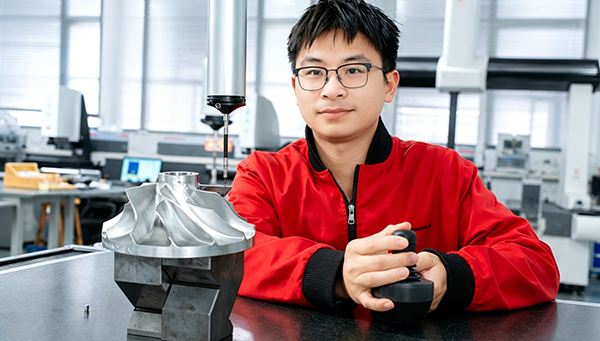
Verify GD&T requirements, critical dimensions, and interface features using CMM, 3D scanning, and other inspection equipment.
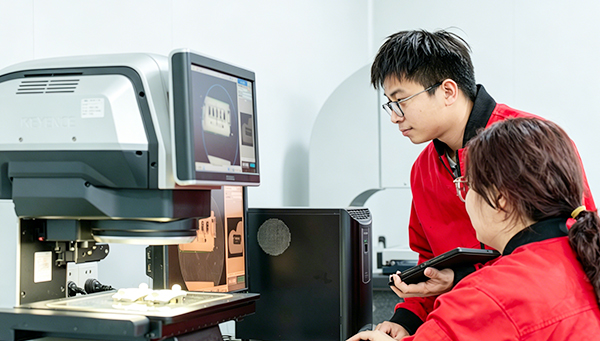
Combine precision measurement equipment with hands-on inspection experience to identify dimensional issues before delivery.
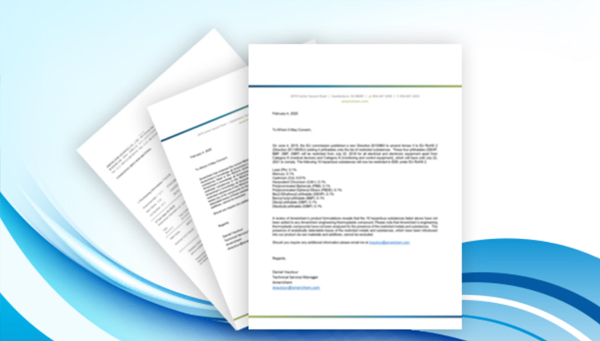
Support quality review and issue tracking with FAI reports, dimensional reports, material certificates, and customer-specified documentation.
When robotics projects involve motion-critical features, multiple manufacturing processes, or changing production volumes, leading and emerging robotics teams choose RPWORLD for flexible manufacturing support. We support projects from early DFM review to functional builds, and low- to mid-volume production.
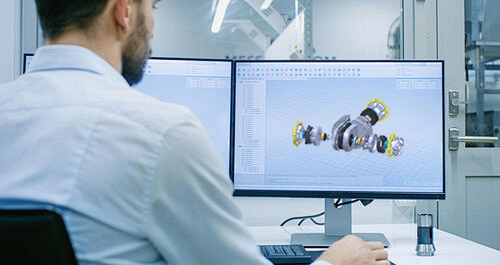
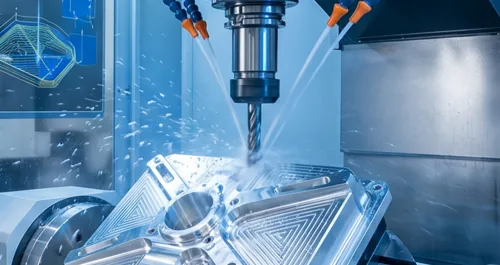
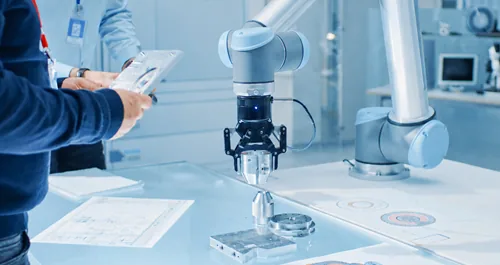
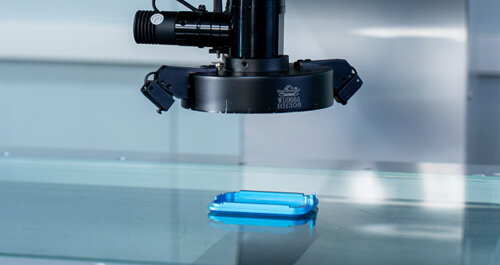
From engineering builds to low- and mid-volume production, RPWORLD supports custom parts
for a wide
range of robotics and automation applications.
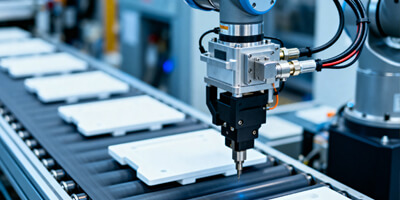




See how RPWORLD supports robotics teams with precision components, coordinated manufacturing, consistent
quality,
and flexible production from engineering builds to low- and mid-volume quantities.
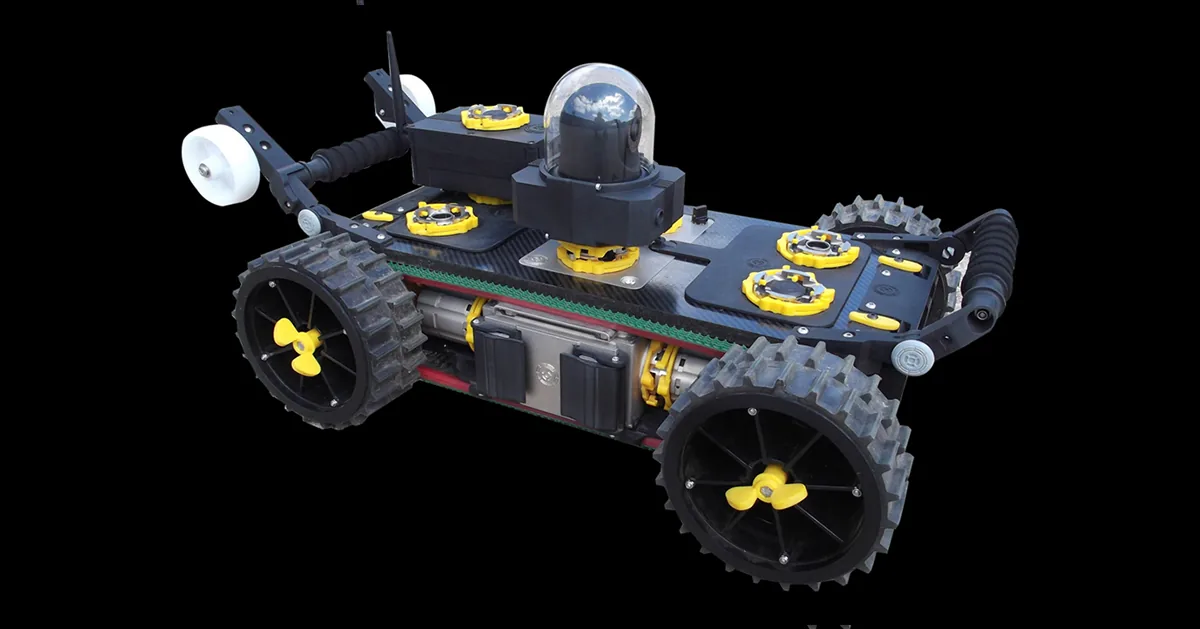
A robotics company needed 25 custom parts on a tight timeline. RPWORLD delivered parts in 2 weeks, cutting lead time 50% and costs 80%
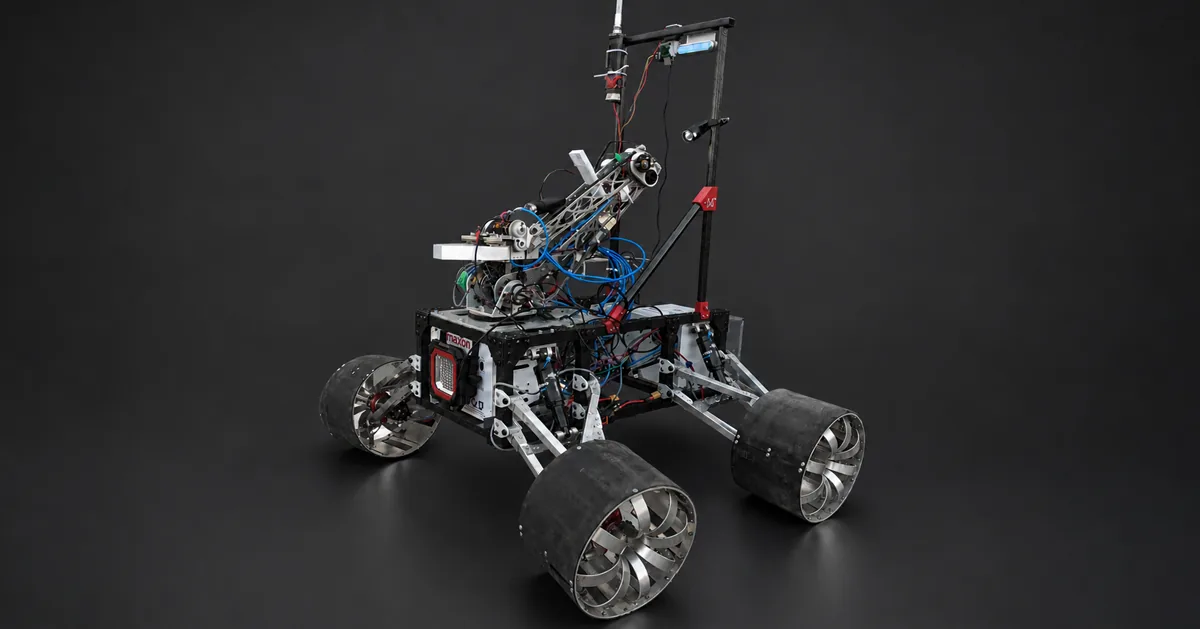
RPWORLD supported McGill Robotics with DFM, CNC machining, and anodizing—helping ensure seamless assembly.
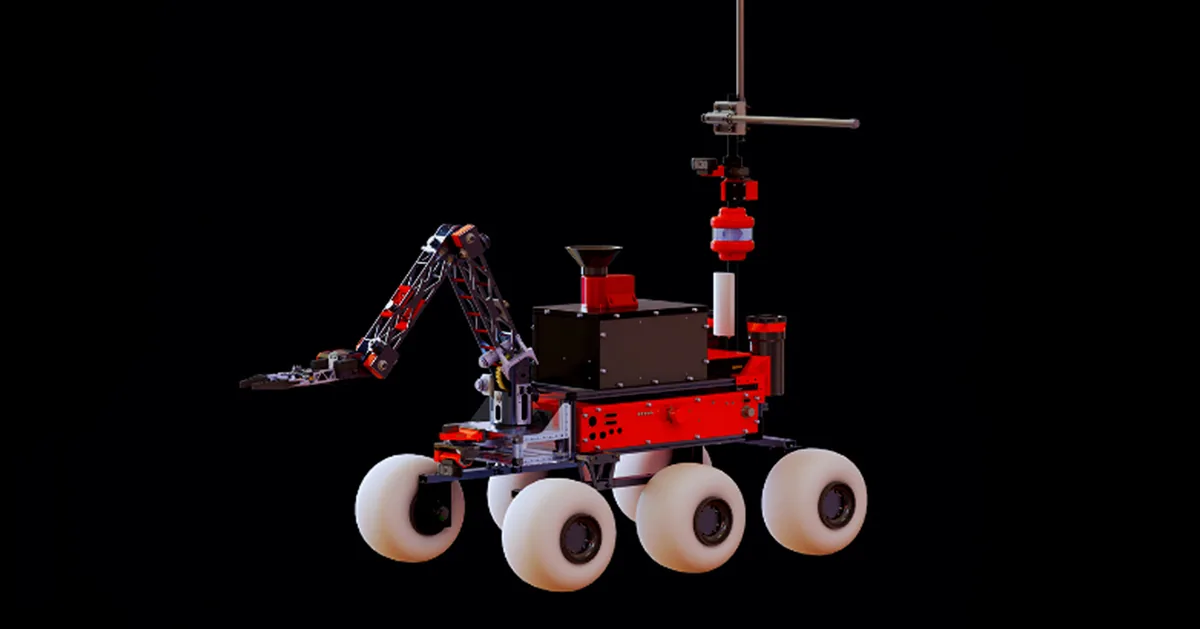
RPWORLD delivered lightweight, high-precision aluminum parts with quick turnaround, enabling reliable robotic arm performance.
Review critical interfaces, datum relationships, alignment features, and tolerance risks before robot parts enter manufacturing.
Explore how geometry, reinforcement, material selection, and manufacturing strategy affect lightweight robot structures.
Learn what to review across revisions, inspection requirements, finishing, supplier coordination, and batch consistency before producing additional units.
RPWORLD manufactures custom parts for industrial robots, cobots, AMRs, AGVs, warehouse robots, service robots, inspection systems, medical robotics, and special-purpose robotic equipment.
Typical components include actuator housings, joint parts, bearing and shaft interfaces, end-effector components, sensor mounts, robot frames, chassis, and other custom robotics components.
Yes. RPWORLD manufactures motion-critical components such as bearing seats, actuator housings, motor mounts, shafts, joint components, locating features, and end-effector interfaces.
Depending on the drawing requirements, CNC machining and precision inspection can support tight tolerances, accurate hole positions, flatness, perpendicularity, concentricity, and stable mating interfaces.
RPWORLD combines process-based quality control, precision measurement equipment, an experienced inspection team, and traceable inspection records.
IQC, FAI, IPQC, OQC, and Critical-to-Quality inspection can be applied according to project requirements. CMM, 3D scanning, dimensional reports, material records, and customer-specified documentation help support quality review, issue tracking, and consistency across repeated builds.
CNC machining is commonly used for precision interfaces, joint components, actuator housings, structural parts, and end effectors. Injection molding supports repeatable plastic housings, covers, and functional components.
Urethane casting is suitable for small batches of production-like plastic parts, while sheet metal fabrication supports frames, chassis, brackets, panels, and enclosures. Surface finishing can also provide protection, identification, appearance control, and selected assembly-related support.
Yes. RPWORLD supports engineering builds, parts for functional testing, pilot production, low- to mid-volume manufacturing, and replacement or service parts.
Materials, processes, finishes, inspection requirements, and order quantities can be adjusted as the design develops. Coordinated multi-process manufacturing also helps reduce the need to manage separate suppliers when several types of custom parts change within the same robot build.
Useful information includes 3D CAD files, 2D drawings, material requirements, target quantities, tolerances, surface finishes, inspection needs, and the current project stage.
For motion-related parts, it is also helpful to identify bearing locations, shaft fits, actuator mounts, joint interfaces, sensor positions, locating features, mating components, and load-bearing areas. RPWORLD can still provide initial DFM feedback when some project requirements are not yet finalized.
Share your robotics part requirements with RPWORLD. Our engineers help review manufacturability,
materials, tolerances, and critical interfaces before validation or low-volume production begins.
.png)
 Motion-Critical Dimension Control