


Evolving Designs & Engineering Changes
- Custom equipment configurations
- Updated part geometries
- Revised materials and processes
- Changing engineering requirements


Industrial equipment projects often involve custom designs,
precision interfaces, and multiple plastic and metal components.
Evolving requirements,
part consistency, process coordination, and assembly fit can
affect product performance, build quality, and development
schedules.
Industrial equipment and mechanical product projects often
require different manufacturing processes. RPWORLD provides CNC
Machining,
Injection Molding, Urethane Casting, and Sheet Metal
Fabrication as core manufacturing services to meet product
development needs.
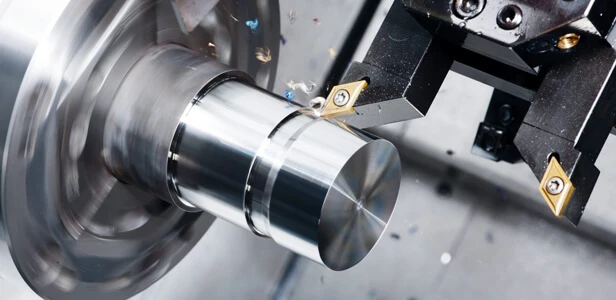
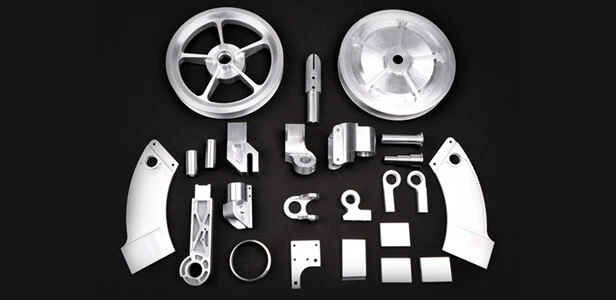
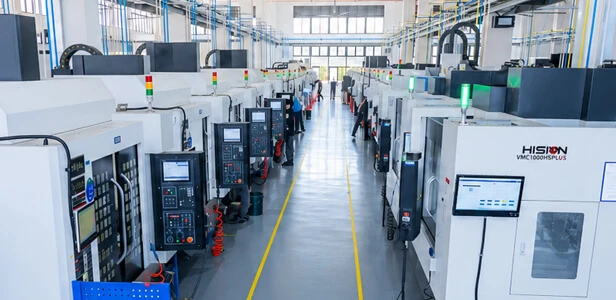
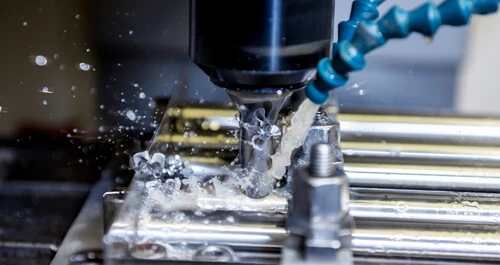
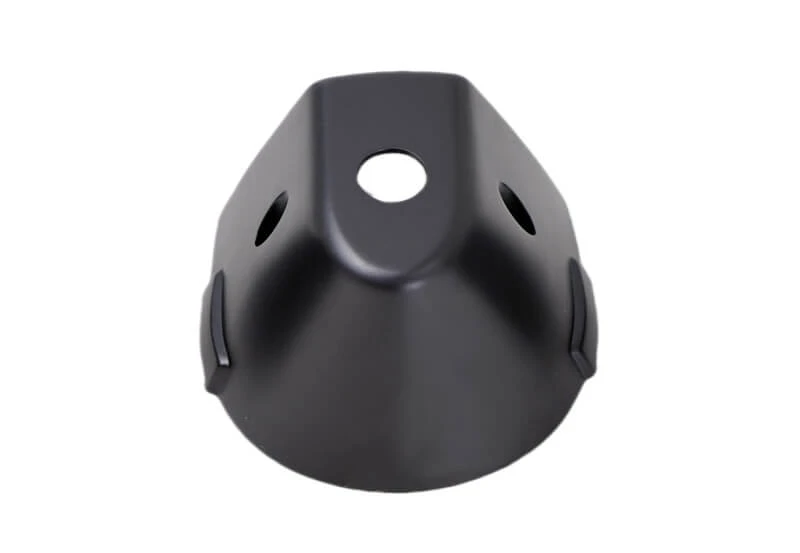
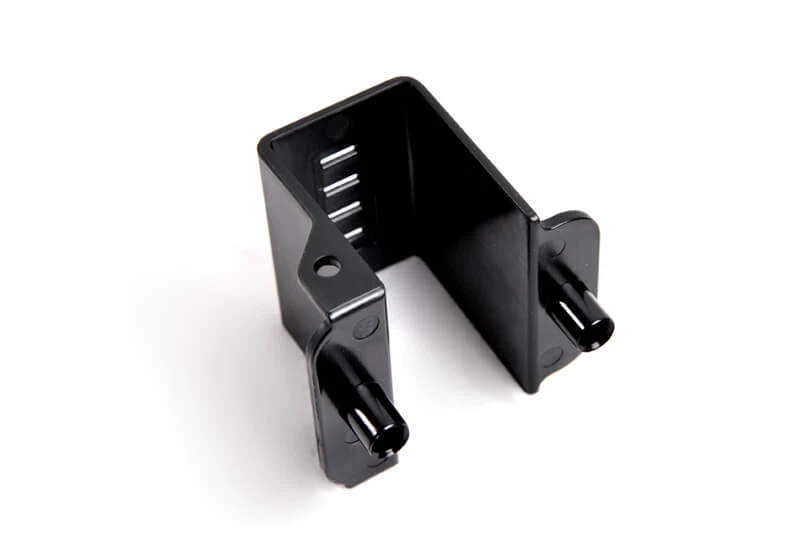
Manufacture precision mechanical parts such as housings, structural components, and mechanical interfaces. With 3-, 4-, and 5-axis CNC machines, turning, EDM, and drilling running 24/7, RPWORLD supports complex geometries, and changing quantities.
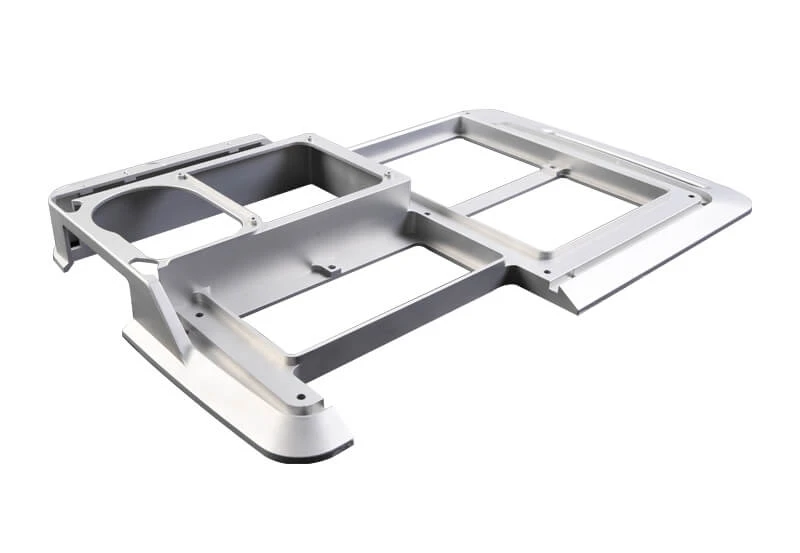
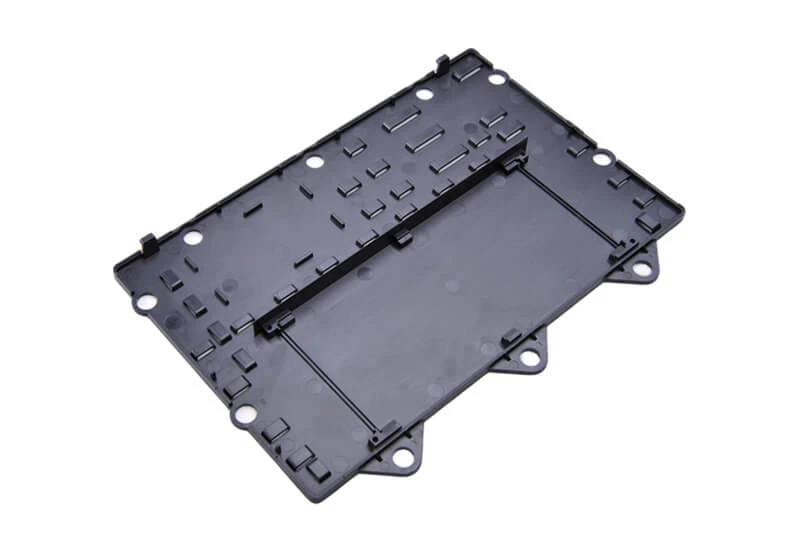
Supports industrial projects from initial production batches to higher-volume manufacturing, Overmolding, insert molding, and family molds are available to support functional integration and cost efficiency.
A flexible option for small batches of custom industrial equipment parts or mechanical components. Urethane casting supports functional testing, design and functional verification, pilot production, and low-volume manufacturing without investing in hard tooling.
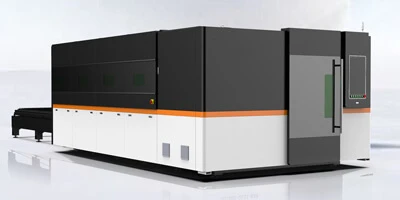
Manufacture chassis, panels, brackets, frames, covers, and internal support structures for industrial equipment and mechanical products. RPWORLD provides laser cutting, bending, welding, hardware insertion, finishing, and assembly to improve fit across multi-part builds.
From early design review to low- and mid-volume production,
RPWORLD supports industrial and mechanical product development
with one-stop manufacturing services and flexible production
quantities to accelerate time to market.
Reviews part geometry, critical interfaces, materials, processes, and finishes to reduce manufacturing, fit, and assembly risks.
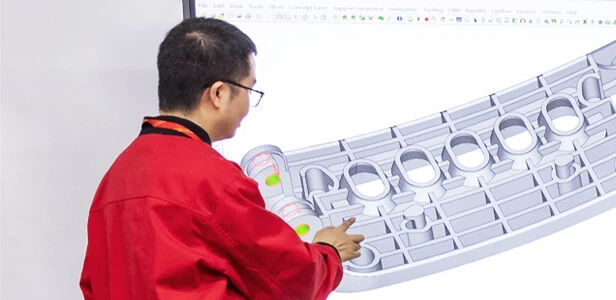
Produces custom parts for design evaluation, assembly checks, functional testing, and ongoing design updates.
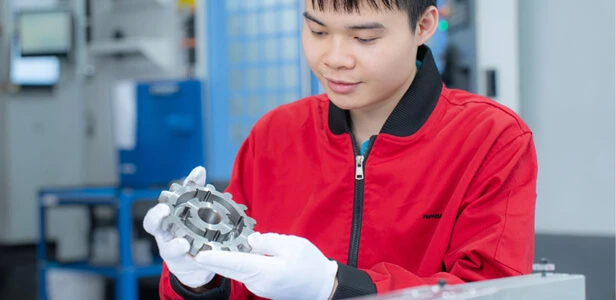
Provides parts for evaluating mounting interfaces, alignment, movement, and overall assembly performance.
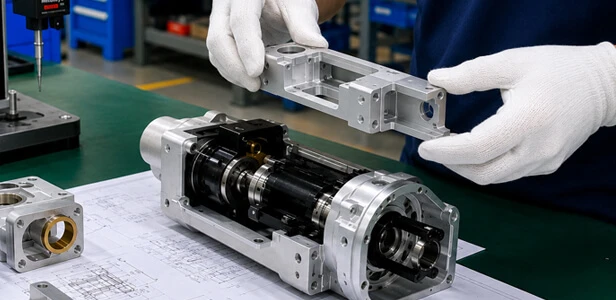
Supports initial production batches, pilot production, and low- to mid-volume manufacturing while maintaining part consistency.
Coordinates finishing, marking, hardware installation, inspection, and pre-assembly to support part protection, identification, and assembly readiness.
Coordinate machining, molding, sheet metal, finishing, inspection, and selected pre-assembly under one manufacturing partner to reduce supplier handoffs.
Industrial components have different requirements depending on their function, from structural stability and wear resistance to chemical exposure, thermal management, and electrical performance. With 100+ engineering materials in stock, RPWORLD supports varied applications, with RoHS and REACH documentation available where required.
RPWORLD provides surface finishing, marking, and assembly-related
support for industrial equipment parts, helping teams improve
corrosion resistance, surface protection, part identification,
appearance consistency, and assembly readiness.

Add part numbers, operating labels, assembly references, and logos to support clear identification and consistent assembly.
Protect parts against corrosion, surface damage, and environmental exposure while supporting color differentiation across components.
Create consistent surface appearance and texture for equipment housings, control panels, and other user-facing components.
Support electrical shielding, hardware installation, part joining, and pre-assembly to improve component functionality and assembly readiness.
RPWORLD helps industrial equipment teams control critical
dimensions, assembly fit, and part consistency across
engineering builds, pilot production, and low- to mid-volume
manufacturing.
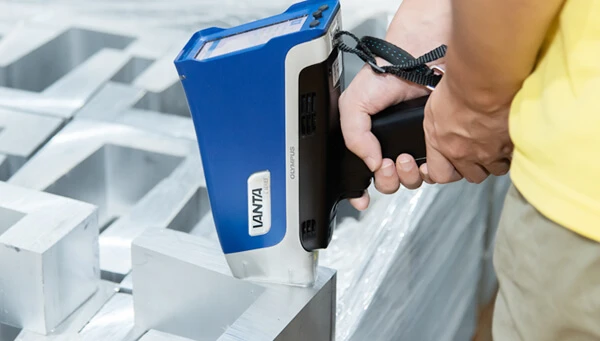
Apply IQC, FAI, IPQC, OQC, and Critical-to-Quality inspection throughout production.
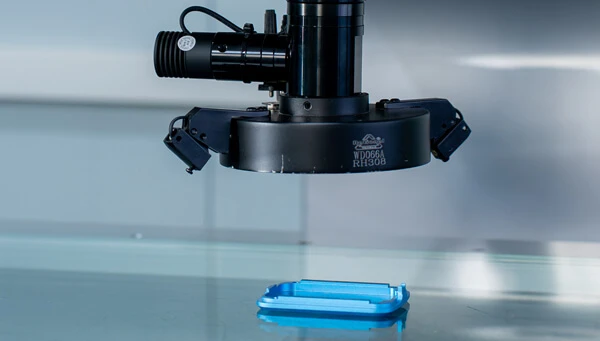
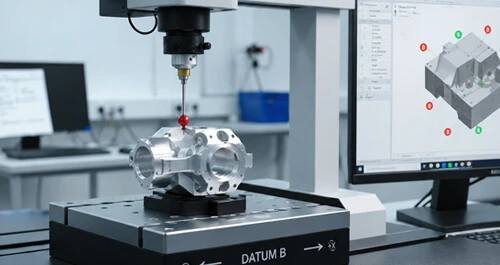
Verify GD&T requirements, critical dimensions, and mating features using CMM, 3D scanning, and other inspection equipment.
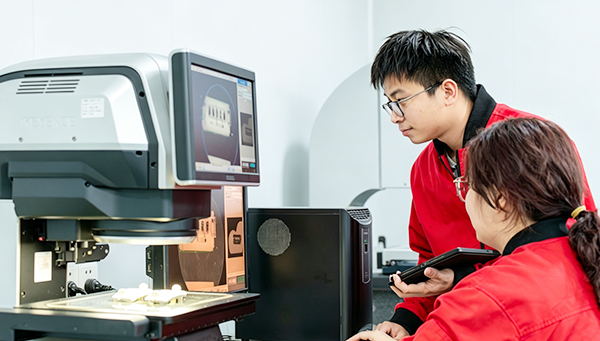
Combine advanced measurement equipment with hands-on inspection experience to identify dimensional and assembly-related issues before delivery.
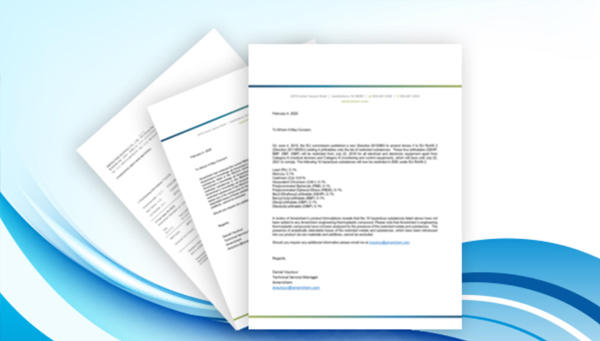
Support quality reviews and repeat orders with FAI reports, dimensional reports, material certificates, and production records where required.
When industrial equipment projects involve custom components, multiple manufacturing processes, or changing production volumes, industrial companies choose RPWORLD for flexible manufacturing support. We support projects from early DFM review and engineering builds to on-demand production, and low- to mid-volume manufacturing.
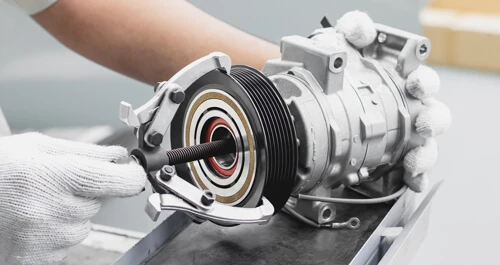
RPWORLD provides custom manufacturing support for a wide range of industrial
equipment applications.
Here are some examples we frequently help bring to life.
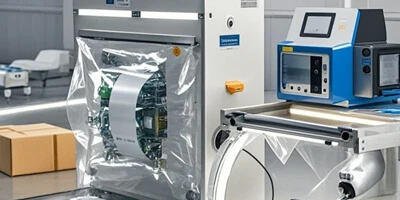

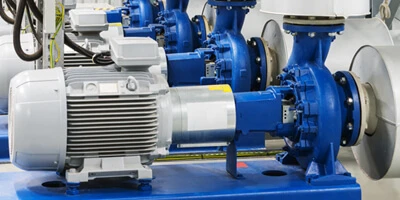
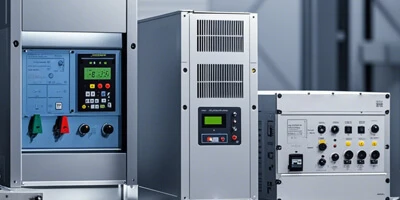
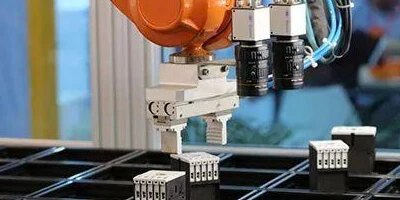
See how RPWORLD supports industrial and professional equipment
development with precision machining,
multi-process manufacturing, functional testing parts, and
coordinated low-volume production.
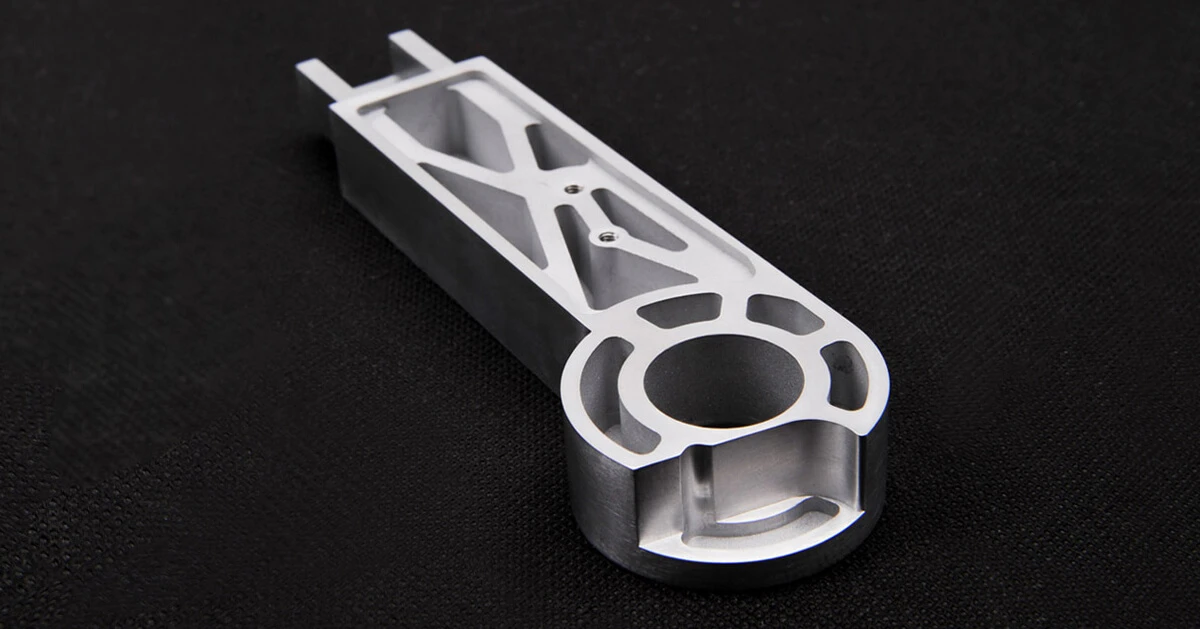
RPWORLD delivered the aluminum parts in just 10 days, reducing development time by 20% and costs by 30%.
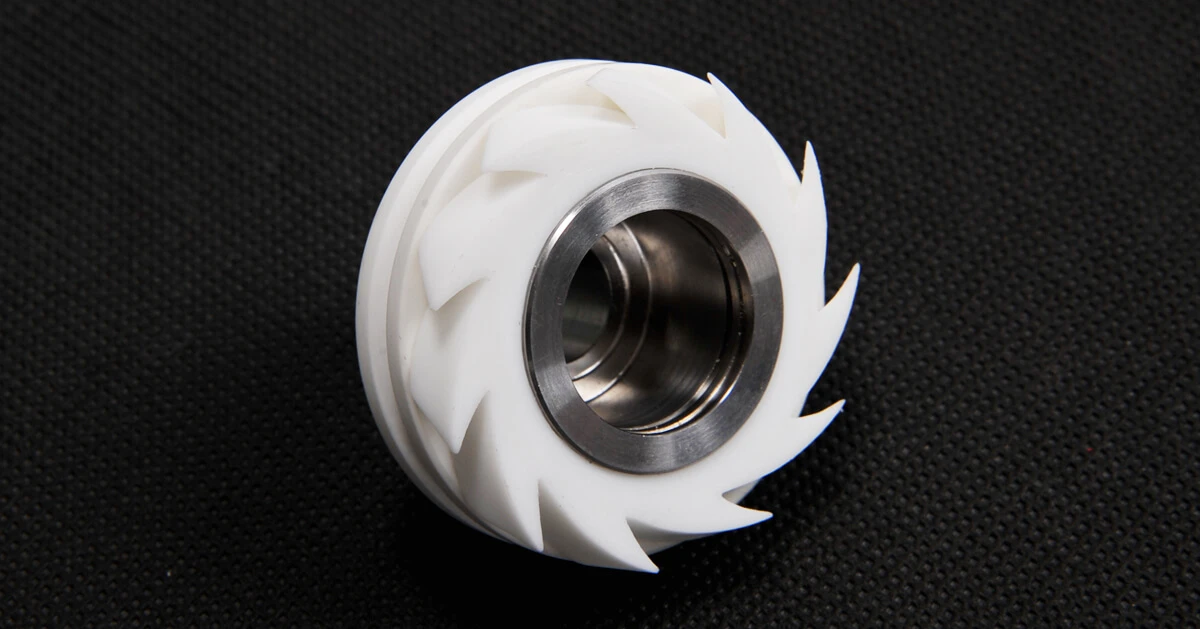
RPWORLD's Urethane Casting helped the industrial component pass underwater testing while reducing lead time by 50%.

RPWORLD provided one-stop manufacturing, supporting coffee machine from design to going to market.

Learn how to manage datums, tolerances, finishes, and assembly interfaces to reduce fit issues and improve build consistency.
Explore how accumulated dimensional variation can assembly—and what to review before parts enter manufacturing.
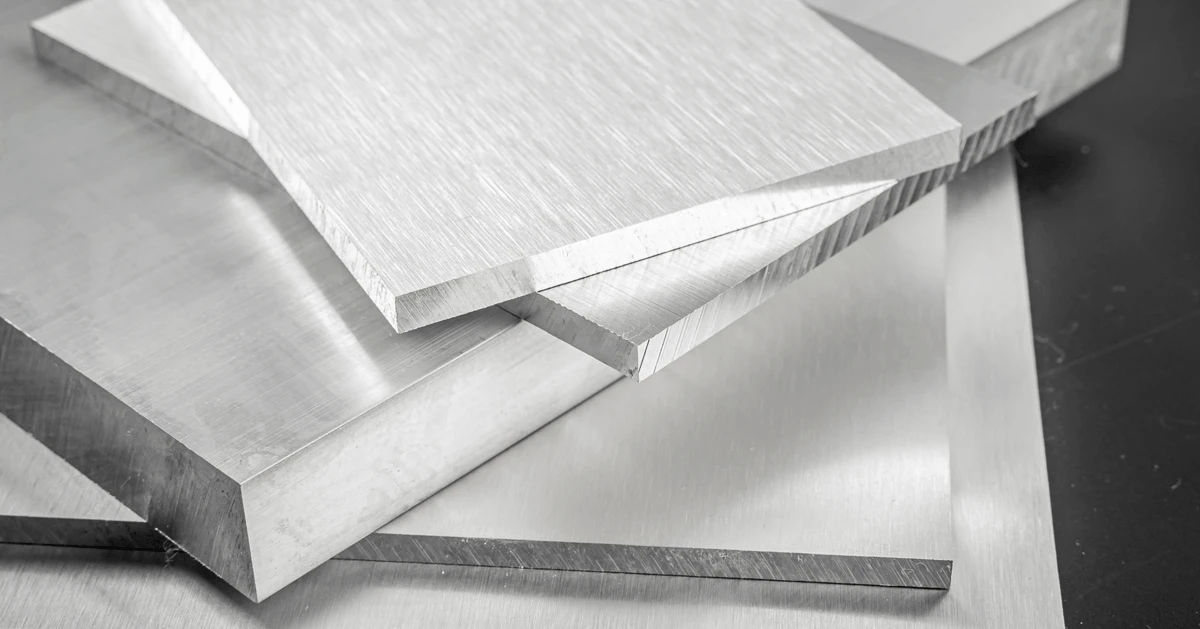
Compare common metals and engineering plastics used in automation and industrial equipment.
RPWORLD manufactures custom plastic and metal parts for industrial equipment, production machinery, and other professional equipment. Typical components include equipment housings, mounting plates, bases, brackets, control panels, precision interfaces, shafts, bearing blocks, covers, enclosures, jigs, fixtures, and functional assemblies.
Available processes include CNC machining, injection molding, urethane casting, sheet metal fabrication, surface finishing, hardware installation, and selected pre-assembly.
Yes. RPWORLD supports quantities ranging from one-off engineering parts and functional builds to pilot runs and low- to mid-volume production. The manufacturing route is selected according to the part design, material, quantity, performance requirements, and expected future demand.
CNC machining, urethane casting, injection molding, and sheet metal fabrication can be combined to support changing quantities across different stages of equipment development.
Yes. RPWORLD provides one-stop manufacturing for projects involving CNC-machined parts, molded or cast plastic components, sheet metal structures, surface finishing, hardware installation, and selected pre-assembly.
Centralized project coordination helps align materials, datums, tolerances, finishes, and assembly interfaces across different processes, reducing supplier handoffs and fit issues during equipment builds.
RPWORLD reviews critical dimensions, datums, mating features, tolerance stack-ups, and assembly requirements before manufacturing. Engineers assess how CNC-machined, molded, cast, and sheet metal parts will interface within the final equipment.
Depending on project requirements, quality control may include first article inspection, in-process inspection, dimensional reports, CMM measurement, 2D inspection, and 3D scanning. Tolerances are confirmed according to the material, geometry, manufacturing process, and functional requirements of each part.
RPWORLD evaluates each part’s function, operating environment, production quantity, geometry, tolerance requirements, surface finish, and assembly method. Engineers then recommend suitable materials and manufacturing processes based on the project’s current development stage and future production needs.
Material options include aluminum alloys, stainless steel, carbon steel, copper alloys, POM, nylon, PC, PC/ABS, ABS, PMMA, PEEK, reinforced engineering plastics, and polyurethane casting materials.
To begin an industrial equipment project review, provide the following information where available:
If some specifications have not yet been finalized, RPWORLD can review the available design information and identify manufacturing decisions that still need to be confirmed.
Share your CAD files, drawings, and manufacturing requirements. RPWORLD helps review manufacturability and
coordinate production
before engineering builds, functional testing, or low- to mid-volume manufacturing
begins. RPWORLD helps review manufacturability and
coordinate production before engineering builds, functional
testing, or low- to mid-volume manufacturing begins.
 CNC Machining