Custom Insert Molding Services for Plastic–Metal Parts

Custom Insert Molding Services
for Plastic–Metal Parts

Get custom plastic parts with molded-in metal inserts for durable connections and fewer assembly steps.

Certifications
  • ISO 9001:2015
  • ISO 14001:2015
  • ISO 13485:2016
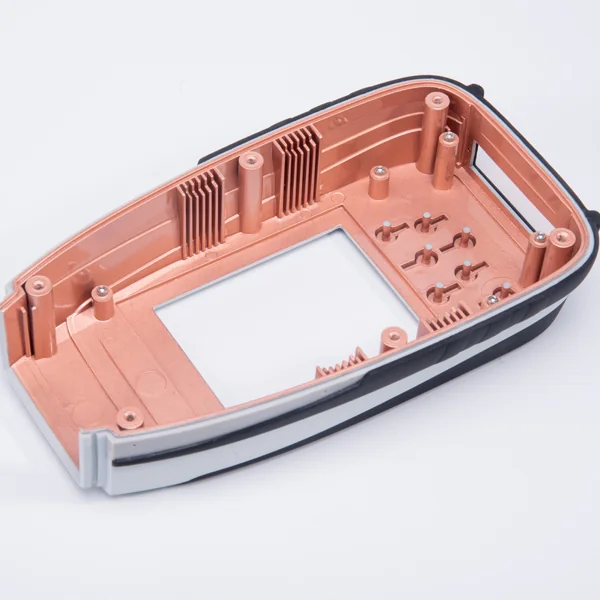
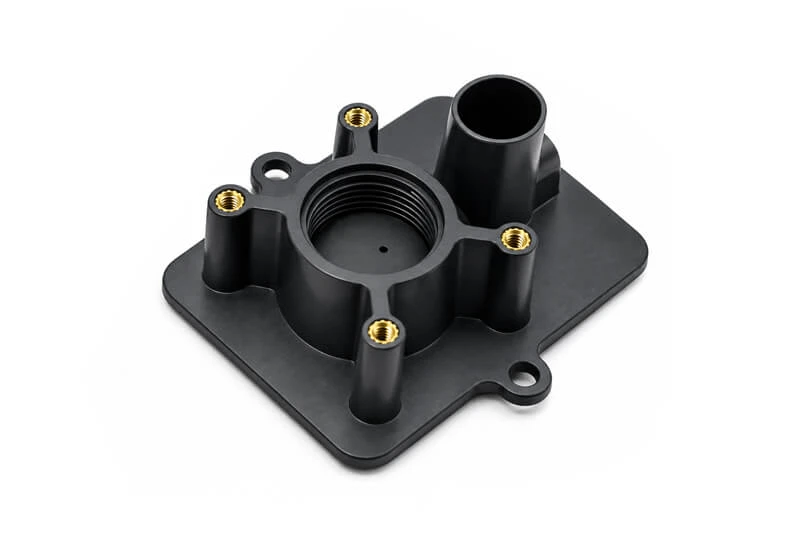
Custom insert-molded plastic–metal parts with molded-in metal inserts
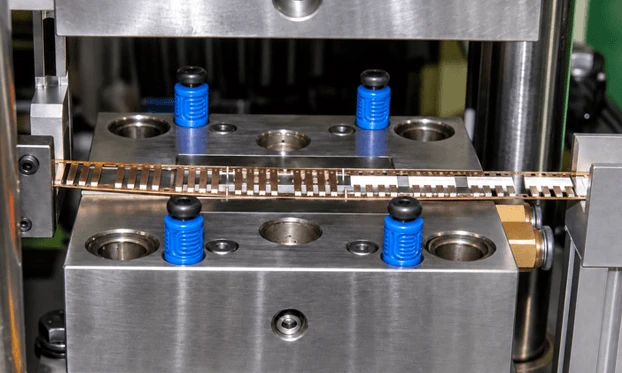
Insert molding process forming plastic around a preformed metal insert

What Is Insert Molding?

Insert molding is an injection molding process that forms plastic around a preformed insert, typically metal, to create an integrated part with fastening, electrical, or structural functions. The typical process includes:

  • Place the insert into the mold
  • Inject the plastic
  • Cool and eject the integrated part

Our Engineering-Led Insert Molding Process

At RPWORLD, we see ourselves as an extension of your engineering team. Our insert molding process focuses on
creating strong, integrated plastic and metal parts with consistent quality and reliable performance.

Insert & Part DFM Review

Before tooling begins, our engineers review the plastic part and insert together to identify risks that could affect molding or final performance.

  • Insert type, material, geometry, and tolerances
  • Plastic coverage and retention features around the insert
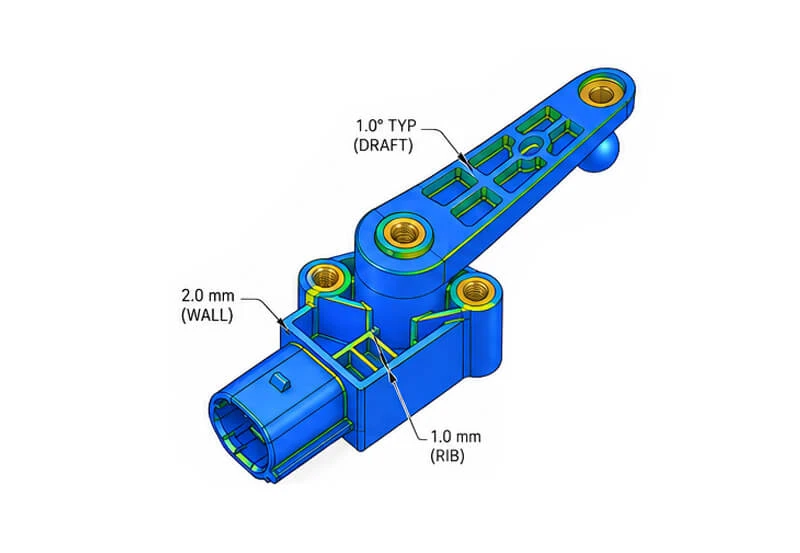
  • Wall thickness, gate location, material flow, and stress risks

Outcome for You: Identify weak retention, insufficient plastic coverage, and insert movement risks before tooling begins.

Get DFM Analysis  
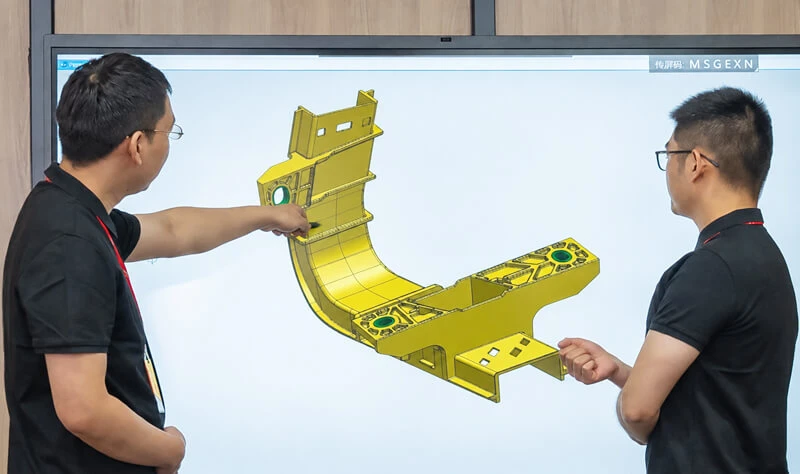
Insert molding DFM review for plastic and metal insert parts

Mold Development & Insert Preparation

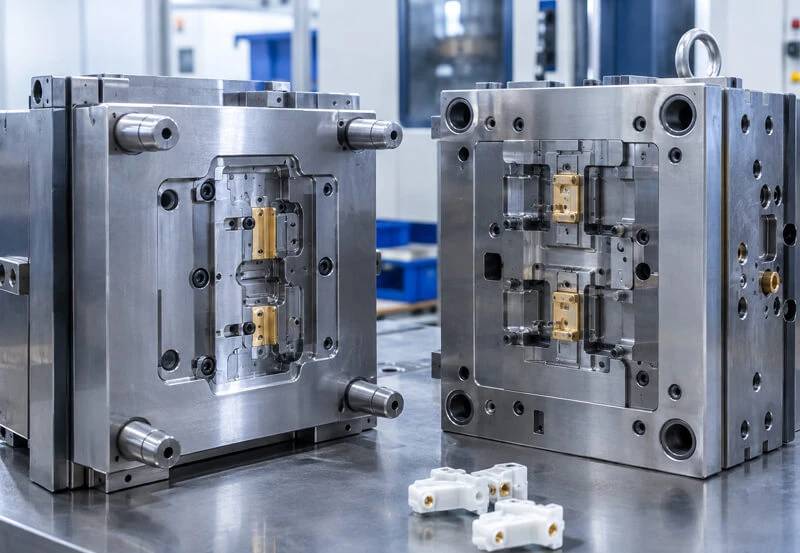
Based on the approved DFM, the mold is designed and manufactured around the insert, while inserts are prepared for stable molding.

  • Insert locating, retention, and shut-off features
  • Prepare inserts and protect threads and exposed surfaces
  • Assemble and trial the mold to confirm loading and molding stability

Outcome for You: Secure insert positioning and fewer adjustments during molding trials.

Get Expert Support  
Insert molding mold design and manufacturing process

Insert Molding

Each insert is placed and secured inside the mold before molten plastic is injected around it to form one integrated component.

  • Check insert condition and orientation before loading
  • Load inserts manually or with suitable loading fixtures
  • Optimize injection, packing, and cooling parameters

Outcome for You: Reduce insert displacement, incomplete encapsulation, voids, and flash for a more stable path to repeat production.

Get Expert Support  
Insert molding process forming plastic around metal inserts

Quality Assurance & Performance Verification

Finished parts are inspected to confirm that the inserts remain correctly positioned and the molded assembly meets the specified requirements.

  • Insert position, alignment, coverage, and exposed features
  • Critical dimensions, threads, flash, and appearance
  • Pull-out, torque, electrical, or other functional tests as required

Outcome for You: Greater confidence in insert retention, assembly fit, and functional performance across delivered parts.

Get Quality Parts  
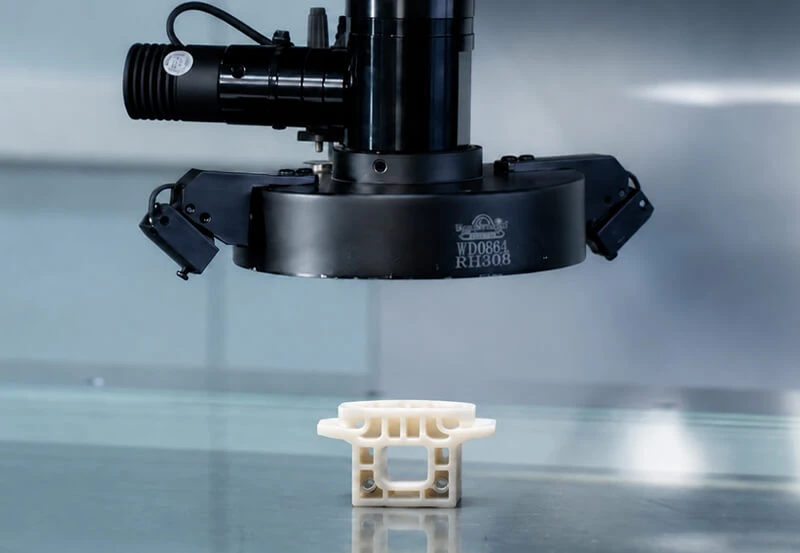
Quality assurance for insert-molded plastic–metal parts

Match Your Project Needs with Our Insert Molding Capabilities

From validating insert retention and part function to repeat production, RPWORLD supports your insert molding projects as designs and quantities change.

Insert Molding Support by Project Development Phase

Functional & Validation Builds

Objective: Verify insert placement, retention, part geometry, and functional performance before production
Key Focus: Insert position, plastic coverage, pull-out strength, torque resistance, fit, and function
Industry Applications: Threaded components, electrical parts, medical device components, equipment housings, and functional assemblies

Pilot & Bridge Production

Objective: Validate the molding process, assembly performance, and part consistency before volume production
Key Focus: Insert loading and retention, molding stability, critical dimensions, flash control, and inspection requirements
Industry Applications: Medical pilot builds, automotive validation parts, electronics launch batches, and industrial equipment assemblies

Low- to Mid-Volume Production

Objective: Support repeat orders with controlled insert quality, consistent molding, and flexible production quantities
Key Focus: Placement accuracy, retention strength, critical dimensions, visual quality, and batch-to-batch consistency
Industry Applications: Repeat production of medical, electrical, automotive, industrial, and consumer product components

RPWORLD Insert Molding Technical Specifications

Capability Category
Specification
Note
Insert Dimensions
Based on Customer Part Design
Insert size and feasibility are reviewed during DFM
Plastic Encapsulation
Recommended Plastic Thickness Around Insert: ≥1.0 mm
Final thickness depends on part geometry, material, and functional requirements
Insert Positioning
Positioning Accuracy: ±0.05 mm
Depends on insert geometry, locating features, and tooling design

Insert Molding Material Options

Select molding plastics and metal inserts based on mechanical, thermal, electrical, and environmental requirements. The chart below shows representative molding plastics and insert materials supported by RPWORLD.

Molding Plastic Common Insert Options Typical Material Benefits
ABS Copper, brass, stainless steel, steel, and other metals based on project requirements. Good impact resistance, surface finish, and general-purpose performance
PC / PC-ABS High impact resistance and dimensional stability
PA (Nylon) High strength, wear resistance, and mechanical durability
POM Low friction, wear resistance, and dimensional precision
PP Chemical resistance, low weight, and moisture resistance
PBT Electrical insulation, heat resistance, and dimensional stability
PPS / PEEK High-temperature resistance and performance in demanding environments

Material suitability depends on the specific grades, insert design, molding conditions, and application requirements.

Finishing, Texturing & Pre-Assembly Support for Insert-Molded Parts

RPWORLD provides finishing, mold textures, and selected pre-assembly services for insert-molded parts to meet functional, appearance, and assembly requirements.

Surface Finishing Options

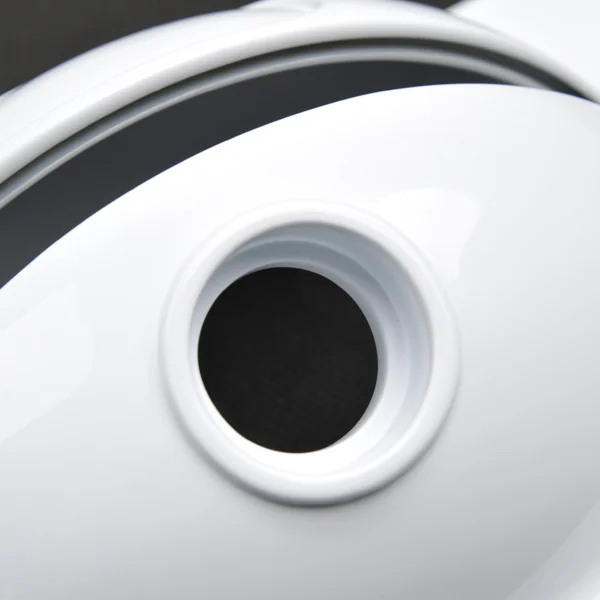
Painting surface finish for molded plastic parts

Painting

Applies color for protection and uniform appearance.
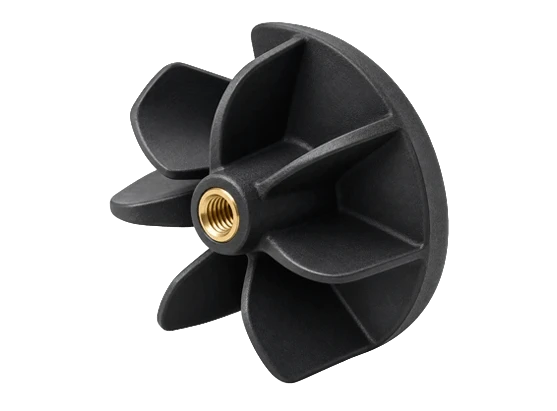
EMC painting for electromagnetic shielding on molded parts

EMC Coating

Shields electronics from electromagnetic interference.
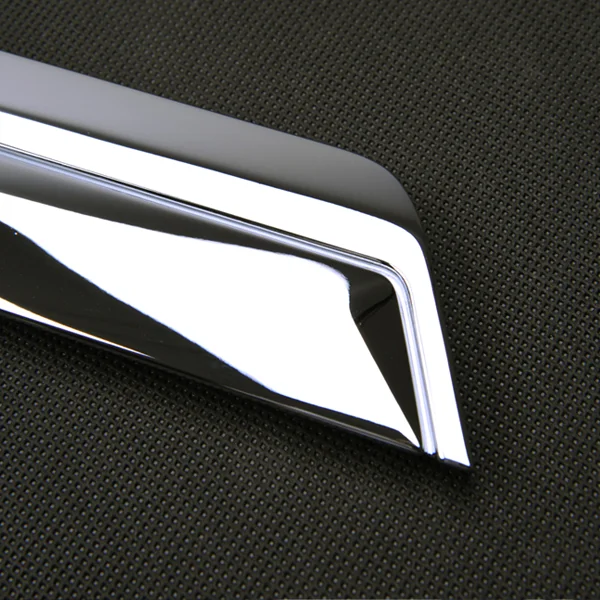
Plating finish for molded plastic components

Plating

Adds a metal layer for conductivity or corrosion resistance.
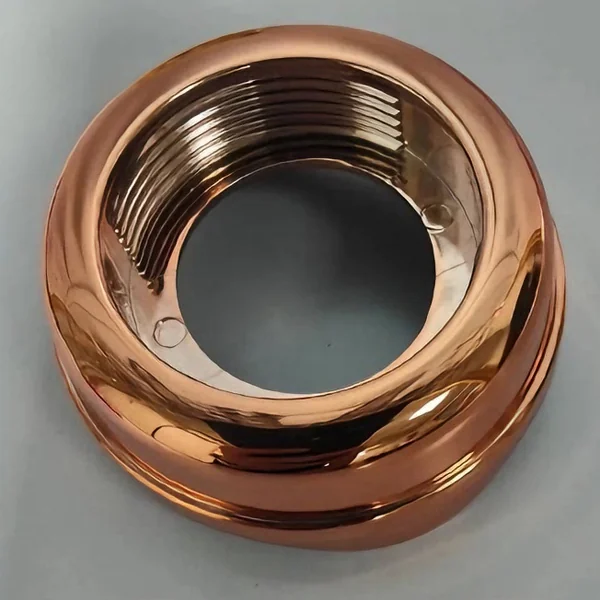
NCVM non-conductive vacuum metallization finish

NCVM

Non-conductive metal texture and functional characteristics.
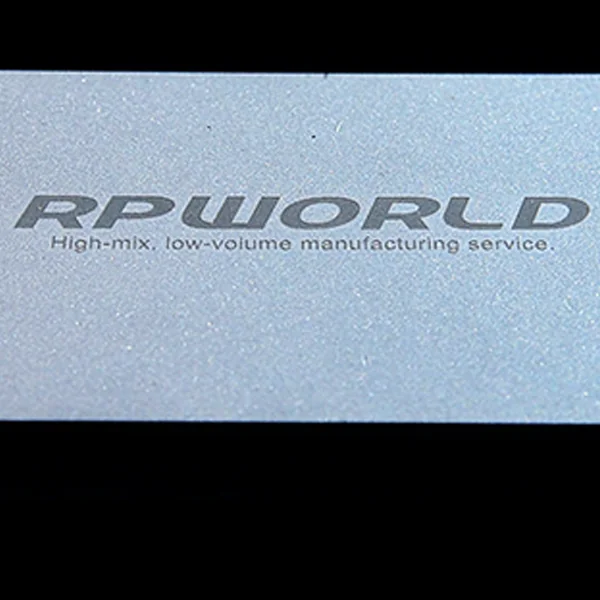
Laser marking on molded plastic parts

Laser Marking

Marks logos or codes with sharp, permanent detail.
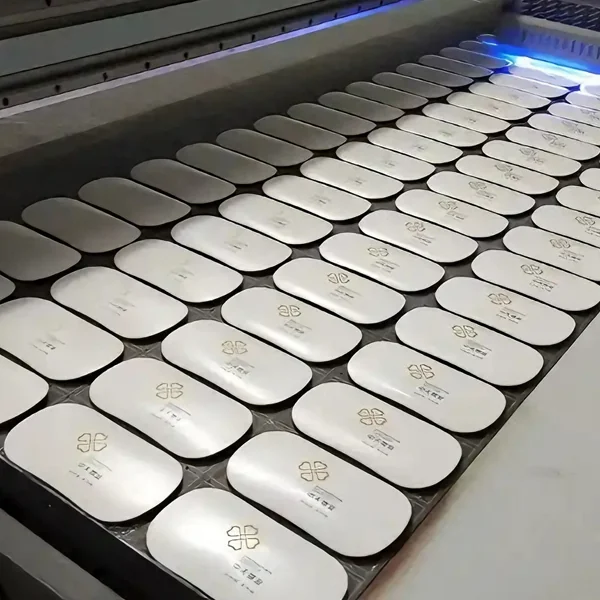
UV printing graphics on molded plastic parts

UV Printing

Achieve complex graphics and gradient effects.
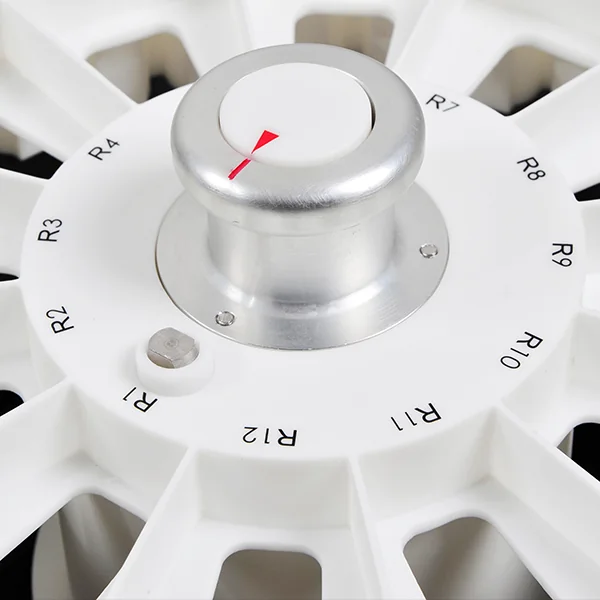
Silk screen printing on molded plastic parts

Silkscreen Printing

Prints logos or text using a mesh screen for consistent branding.
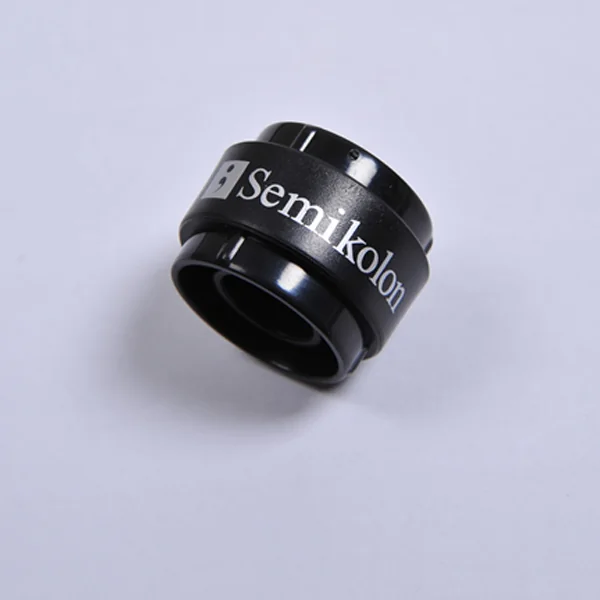
Pad printing on curved molded plastic surfaces

Pad Printing

Transfers ink onto curved or uneven surfaces for clear markings.
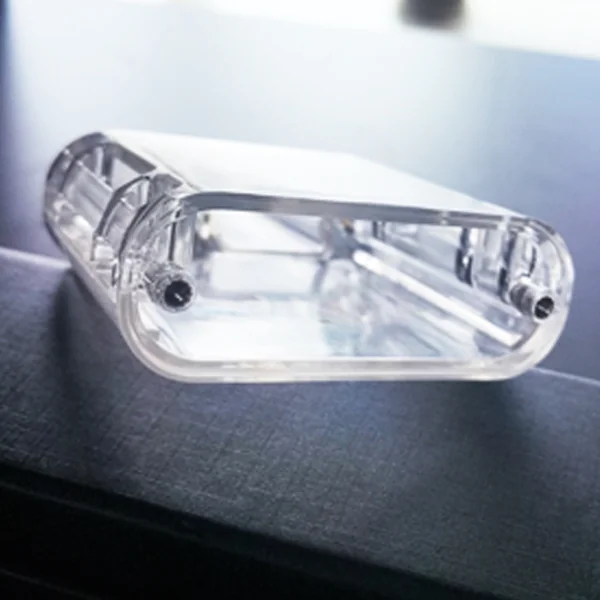
Hot melting assembly for plastic molded parts

Hot Melting

High-strength permanent connection of plastic parts.
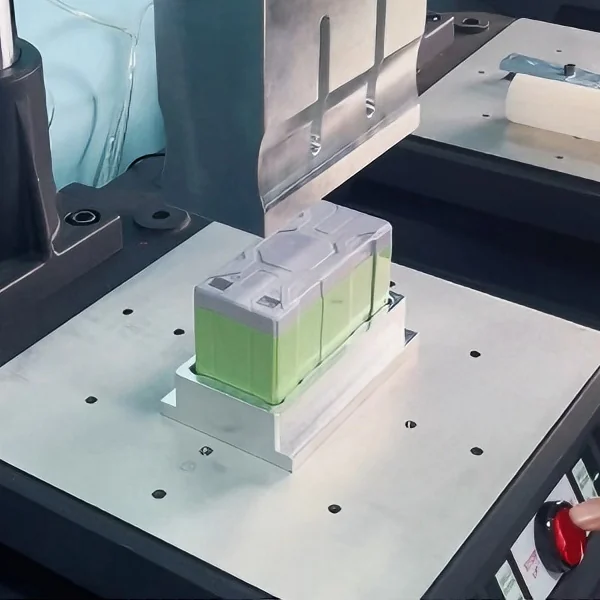
Ultrasonic welding for precision plastic assembly

Ultrasonic Welding

Achieve high-efficiency precision welding with beautiful surface.

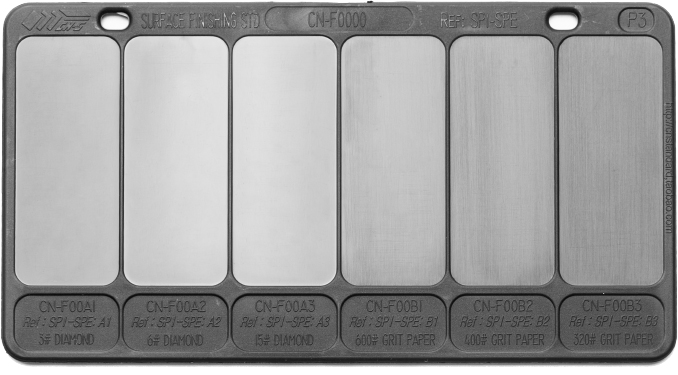
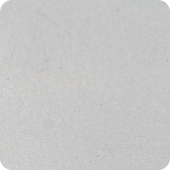
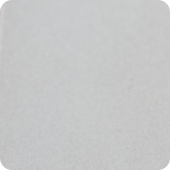
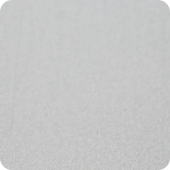
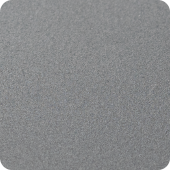
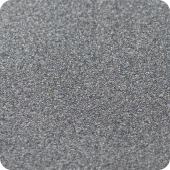
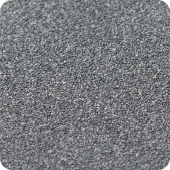
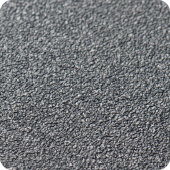
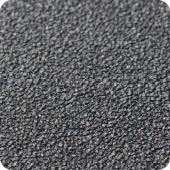
Insert Molding Texture Board

SPI Polish Board

Injection molding texture sample showing fine surface finishes for plastic part design
Ref:SPI-SPE:A1

3# DIAMOND

Plastic injection molding texture sample with standard thermoplastic surface selections
Ref:SPI-SPE:A2

6# DIAMOND

Injection molding texture board demonstrating surface style options for plastic components
Ref:SPI-SPE:A3

15# DIAMOND

Injection molding texture sample with micro-pattern finish for thermoplastic parts
Ref:SPI-SPE:B1

600# GRIT PAPER

Injection molding texture sample showing matte and rough finishes for plastic components
Ref:SPI-SPE:B2

400# GRIT PAPER

Thermoplastic molding texture option illustrating varied surface patterns for plastic parts
Ref:SPI-SPE:B3

320# GRIT PAPER

Injection molding texture board displaying multiple surface finishes for part design

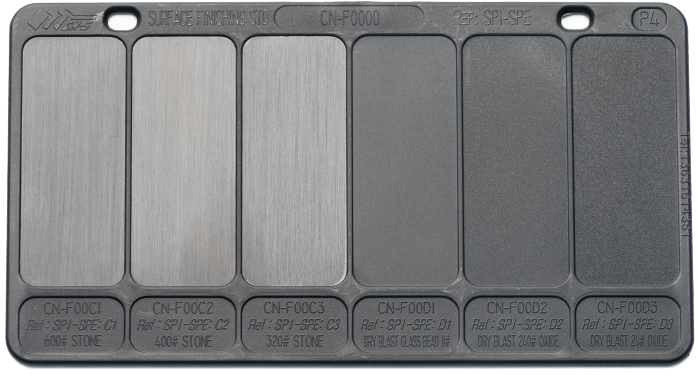
Compare high-gloss to dry-blast finishes on molded plastic surfaces.

SPI Polish Board

Injection molding texture sample showing fine surface finishes for plastic part design
Ref:SPI-SPE:C1

600# STONE

Plastic injection molding texture sample with standard thermoplastic surface selections
Ref:SPI-SPE:C2

400# STONE

Injection molding texture board demonstrating surface style options for plastic components
Ref:SPI-SPE:C3

320# STONE

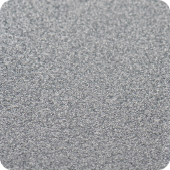
Injection molding texture sample with micro-pattern finish for thermoplastic parts
Ref:SPI-SPE:D1 DRY BLAST GLASS BEAD 11#
Injection molding texture sample showing matte and rough finishes for plastic components
Ref:SPI-SPE:D2 DRY BLAST 240# OXIDE
Thermoplastic molding texture option illustrating varied surface patterns for plastic parts
Ref:SPI-SPE:D3

DRY BLAST 24# OXIDE

Injection molding texture board displaying multiple surface finishes for part design

Compare gloss, satin, and matte finishes for appearance and feel.

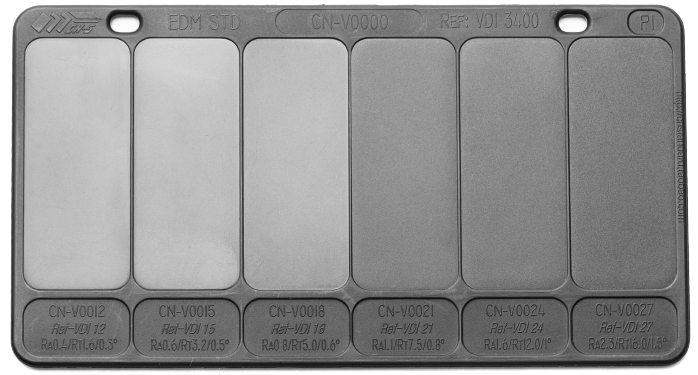
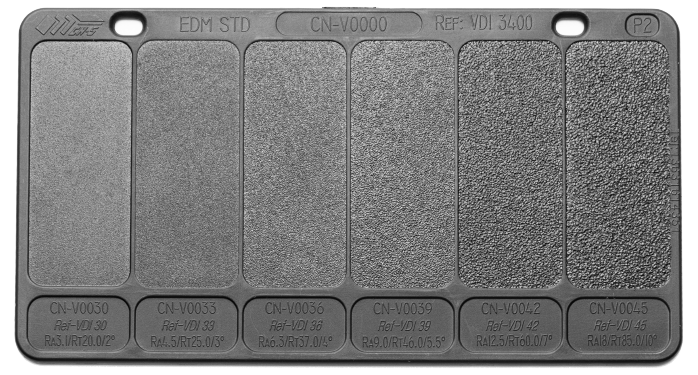
VDI 3400 EDM Standard Board

Injection molding texture sample showing fine surface finishes for plastic part design
Ref-VDI 12

Ra0.4/Rt1.6/0.3°

Plastic injection molding texture sample with standard thermoplastic surface selections
Ref-VDI 15

Ra0.6/Rt3.2/0.5°

Injection molding texture board demonstrating surface style options for plastic components
Ref-VDI 18

Ra0.8/Rt5.0/0.6°

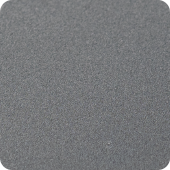
Injection molding texture sample with micro-pattern finish for thermoplastic parts
Ref-VDI 21

Ra1.1/Rt7.5/0.8°

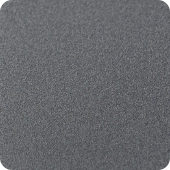
Injection molding texture sample showing matte and rough finishes for plastic components
Ref-VDI 24

Ra1.6/Rt12.0/1°

Thermoplastic molding texture option illustrating varied surface patterns for plastic parts
Ref-VDI 27

Ra2.3/Rt16.0/1.5°

Injection molding texture board displaying multiple surface finishes for part design

Compare fine-to-medium VDI 3400 textures for matte plastic surfaces.

VDI 3400 EDM Standard Board

Injection molding texture sample showing fine surface finishes for plastic part design
Ref-VDI 30

Ra3.1/Rt20.0/2°

Plastic injection molding texture sample with standard thermoplastic surface selections
Ref-VDI 33

Ra4.5/Rt25.0/3°

Injection molding texture board demonstrating surface style options for plastic components
Ref-VDI 36

Ra6.3/Rt37.0/4°

Injection molding texture sample with micro-pattern finish for thermoplastic parts
Ref-VDI 39

Ra9.0/Rt46.0/5.5°

Injection molding texture sample showing matte and rough finishes for plastic components
Ref-VDI 42

Ra12.5/Rt60.0/7°

Thermoplastic molding texture option illustrating varied surface patterns for plastic parts
Ref-VDI 45

Ra18/Rt85.0/10°

Injection molding texture board displaying multiple surface finishes for part design

Explore coarse VDI 3400 textures for grip and surface definition.

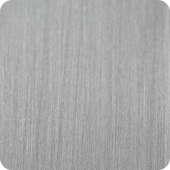
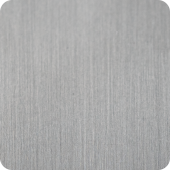
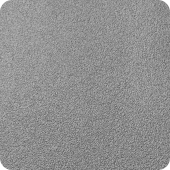
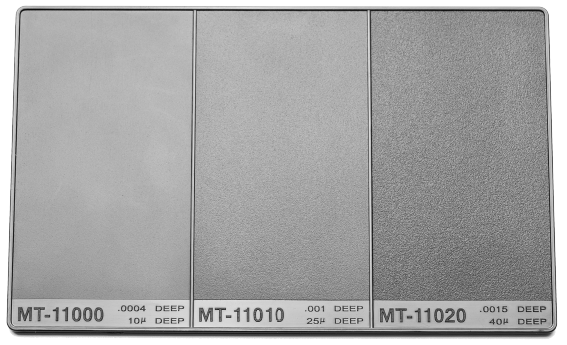
MT Texture Board

Injection molding texture sample showing fine surface finishes for plastic part design
MT-11000
.0004 DEEP 10um DEEP
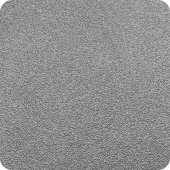
Plastic injection molding texture sample with standard thermoplastic surface selections
MT-11010
.001 DEEP 25um DEEP
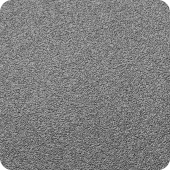
Injection molding texture board demonstrating surface style options for plastic components
MT-11020
.0015 DEEP 45um DEEP

Micro-etched injection molding texture board displaying multiple surface finishes for part design

Compare 10–45 µm texture depths for subtle surface detail.

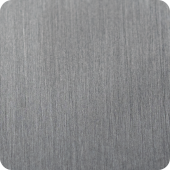
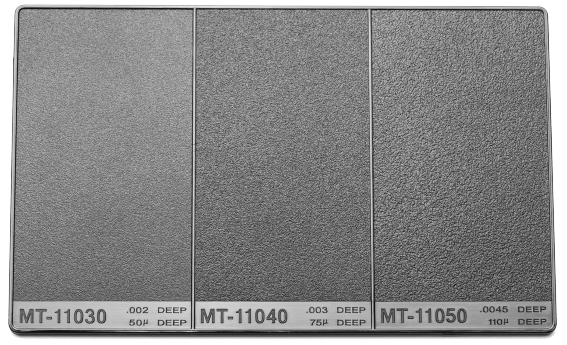
MT Texture Board

Injection molding texture sample showing fine surface finishes for plastic part design
MT-11030
.002 DEEP 50um DEEP
Plastic injection molding texture sample with standard thermoplastic surface selections
MT-11040
.003 DEEP 75um DEEP
Injection molding texture board demonstrating surface style options for plastic components
MT-11050
.0045 DEEP 110um DEEP

Micro-etched injection molding texture board displaying multiple surface finishes for part design

Compare 50–110 µm texture depths for more pronounced surface detail.

Pre-Assembly Support

Beyond integrating metal inserts during molding, RPWORLD provides selected secondary assembly support, including additional hardware installation, ultrasonic joining, and simple component fitting where required.
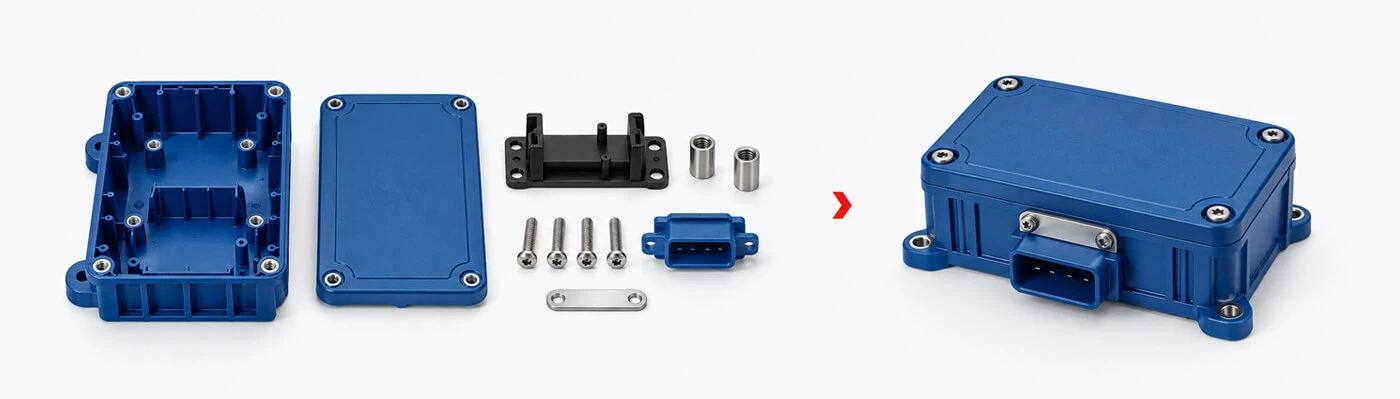
Preassembly process illustration

Quality Assurance for Insert-Molded Parts

Inspection Equipment & Technology

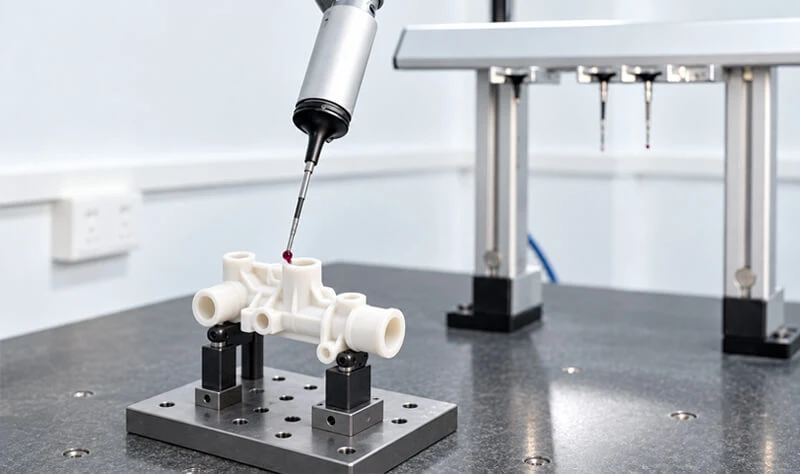
  • CMM & 3D Scanning – Dimensional verification of inserts and molded parts
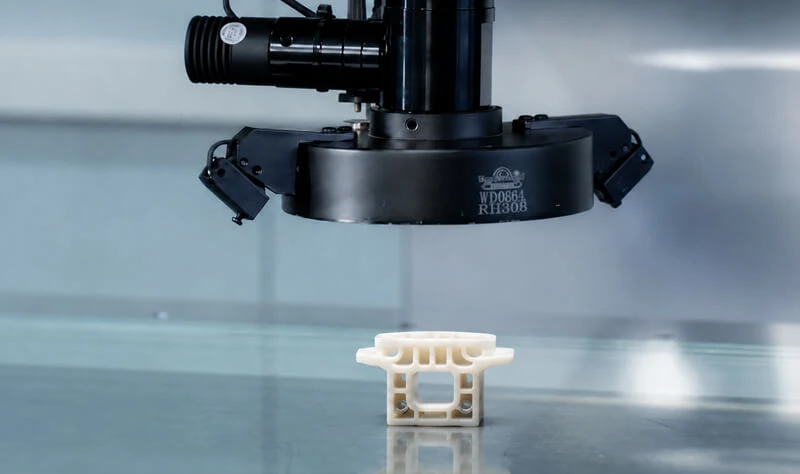
  • Optical & Position Measurement – Fast inspection of insert location, coverage, and flash
  • XRF Scanner – Rapid elemental screening for insert and material verification
  • Functional Test Equipment – Thread, electrical, or other specified tests
Quality inspection equipment for insert-molded plastic–metal parts

Experienced Quality Engineering Team

  • Extensive Experience – 10+ years in insert molding quality assurance
  • Advanced Training – Skilled in dimensional, visual, insert-position, and functional inspection
  • Certified Excellence – Operating under ISO 9001, 13485 & 14001 systems
Engineering team reviewing insert molding quality and part design

Comprehensive Inspection Process

  • Incoming Quality Control (IQC) – Verifies resins, inserts, dimensions, and materials
  • First Article Inspection (FAI) – Validates insert position and dimensions before production
  • In-Process Quality Control (IPQC) – Monitors insert placement, parameters, and part consistency
  • Outgoing Quality Control (OQC) – Confirms finished-part quality before shipment
Inspection workflow ensuring quality for insert-molded parts

Detailed Quality Documentation

  • FAI Reports – Dimensional, visual, and insert-position verification of first-off parts
  • COA & Material Records – Supports resin, insert, and batch verification where required
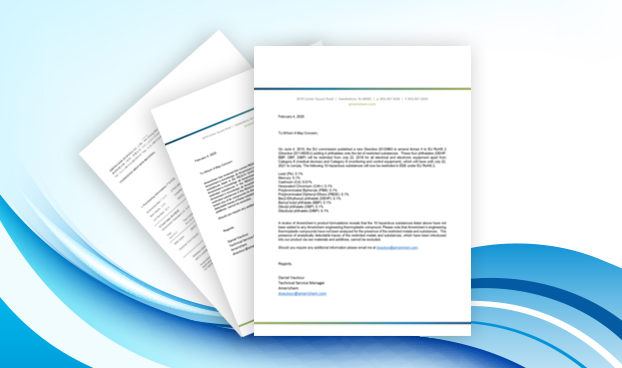
  • RoHS & REACH Documentation – Supports applicable material compliance requirements
Quality documentation and certifications for insert-molded parts

Insert Molding FAQs

Common options include threaded inserts, electrical contacts, pins, bushings, and custom metal components. RPWORLD reviews insert geometry, material, and supply requirements alongside the plastic part design. Insert supply arrangements are confirmed during project review.

Insert molding integrates a preformed component, often metal, into a molded plastic part. Overmolding commonly adds a plastic or elastomer layer to an existing substrate for grip, sealing, cushioning, or protection.

Insert position and retention depend on locating features, mechanical interlocks, plastic coverage, and molding conditions. RPWORLD reviews these factors during DFM and verifies critical dimensions and specified retention requirements through agreed inspection and testing.

Tooling complexity, insert design and sourcing, insert loading, resin selection, molding cycle time, and order quantity affect cost. Inspection, functional testing, finishing, and assembly requirements also influence the final quotation.

Lead time depends on insert availability, tooling complexity, molding trials, and required testing. RPWORLD confirms tooling and T1 timing during quotation. Production timing is confirmed separately, taking sample approval and order requirements into account.

Yes. RPWORLD supports validation builds, pilot and bridge production, and low- to mid-volume manufacturing. Tooling, insert supply, molding parameters, and inspection requirements are planned around initial quantities and repeat orders.

Get a Free Insert Molding DFM Review

Upload your CAD files to receive feedback on insert design, material compatibility, wall thickness,
and molding feasibility—together with a project quote from our injection molding team.