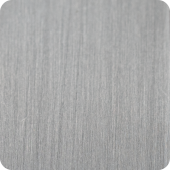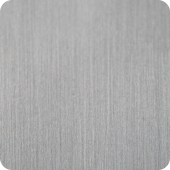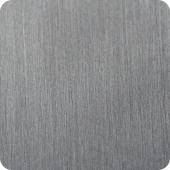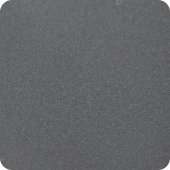
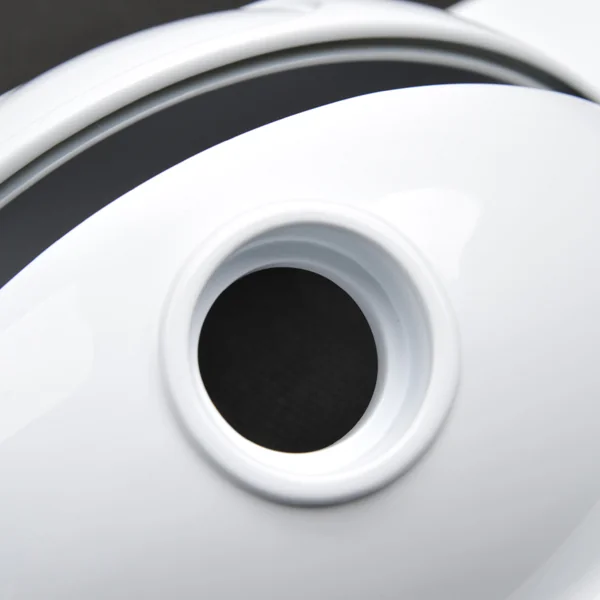
Painting
Applies color for protection and uniform appearance.
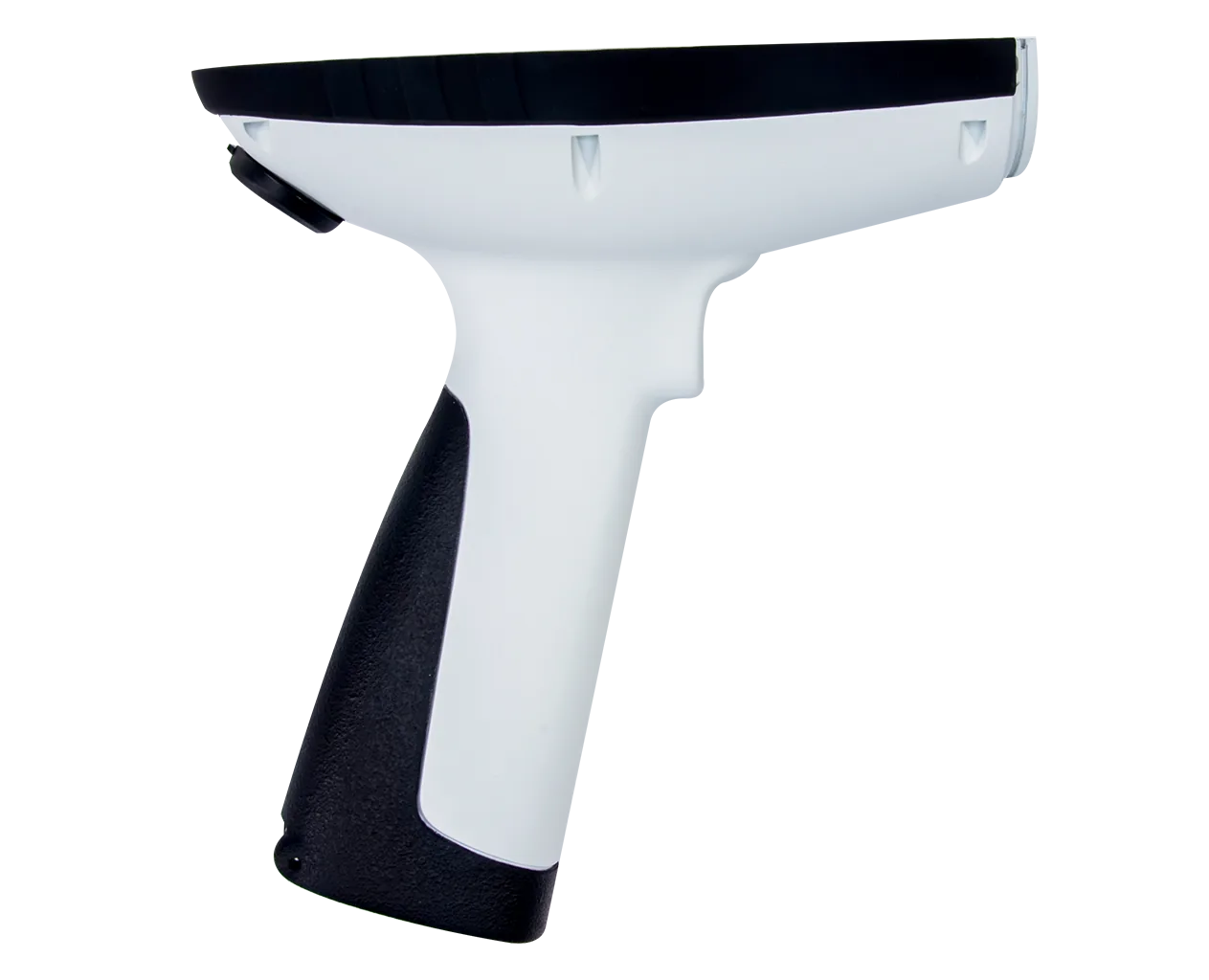
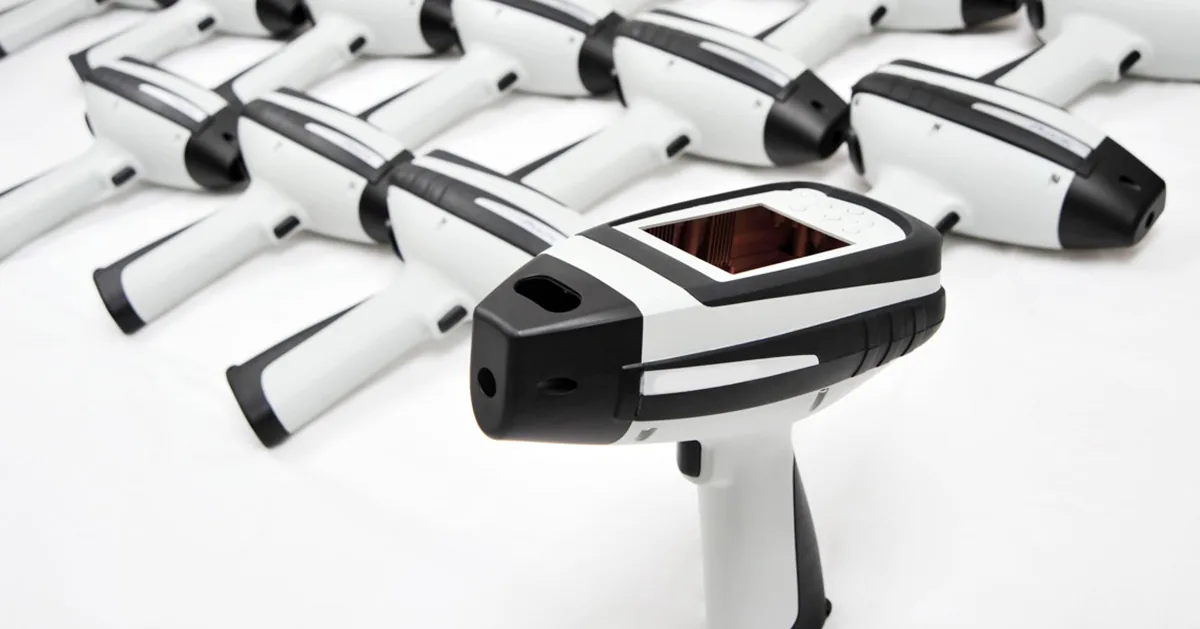
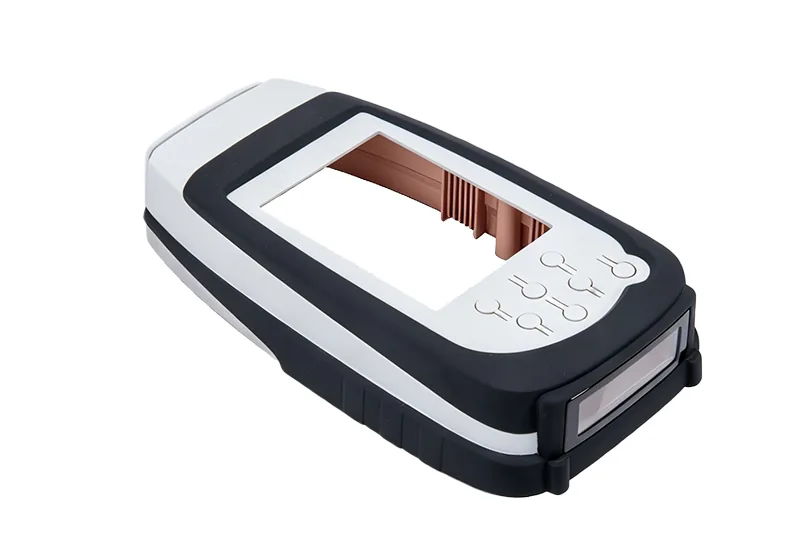
Overmolding is an injection molding process that combines a rigid plastic substrate with a second material—typically TPE or TPU—to add grip, sealing, cushioning, or protection. Typical process includes:
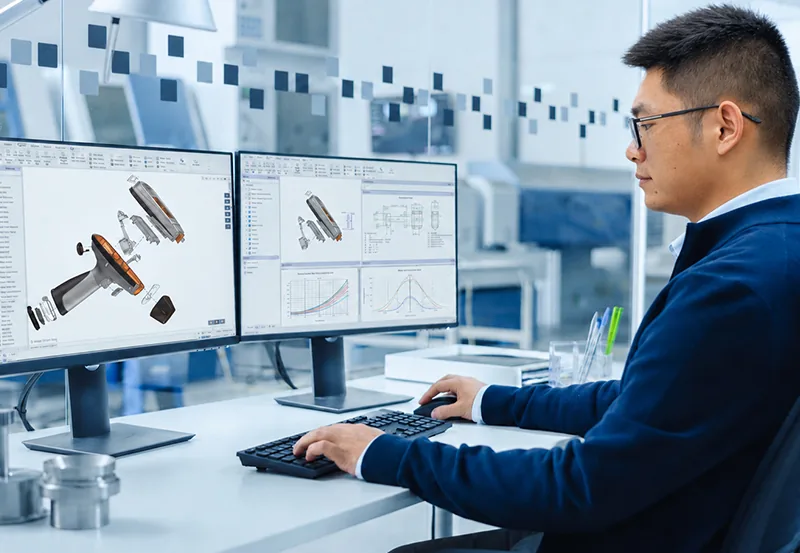
At RPWORLD, we see ourselves as an extension of your engineering team. Our overmolding
process focuses on material compatibility,
interface design, substrate control, tooling
performance, and repeatable part quality.
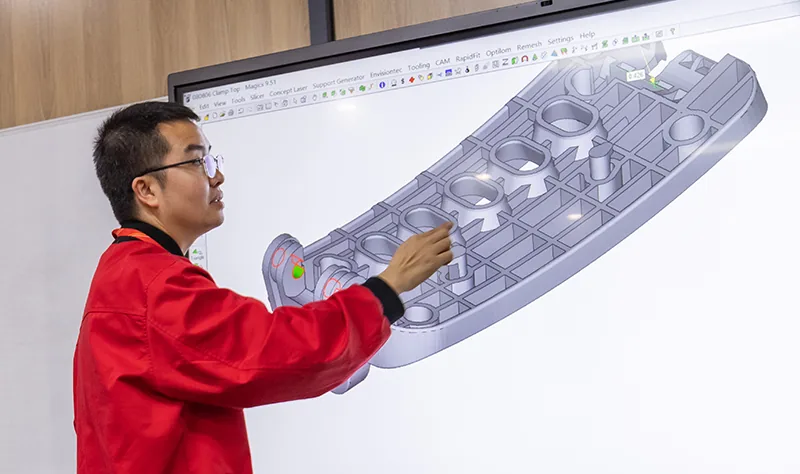
Before tooling begins, our engineers review the part design, proposed materials, and substrate–overmold interface to identify potential manufacturing risks.
Outcome for You: Earlier visibility into material, bonding, and interface risks—before tooling changes become costly.
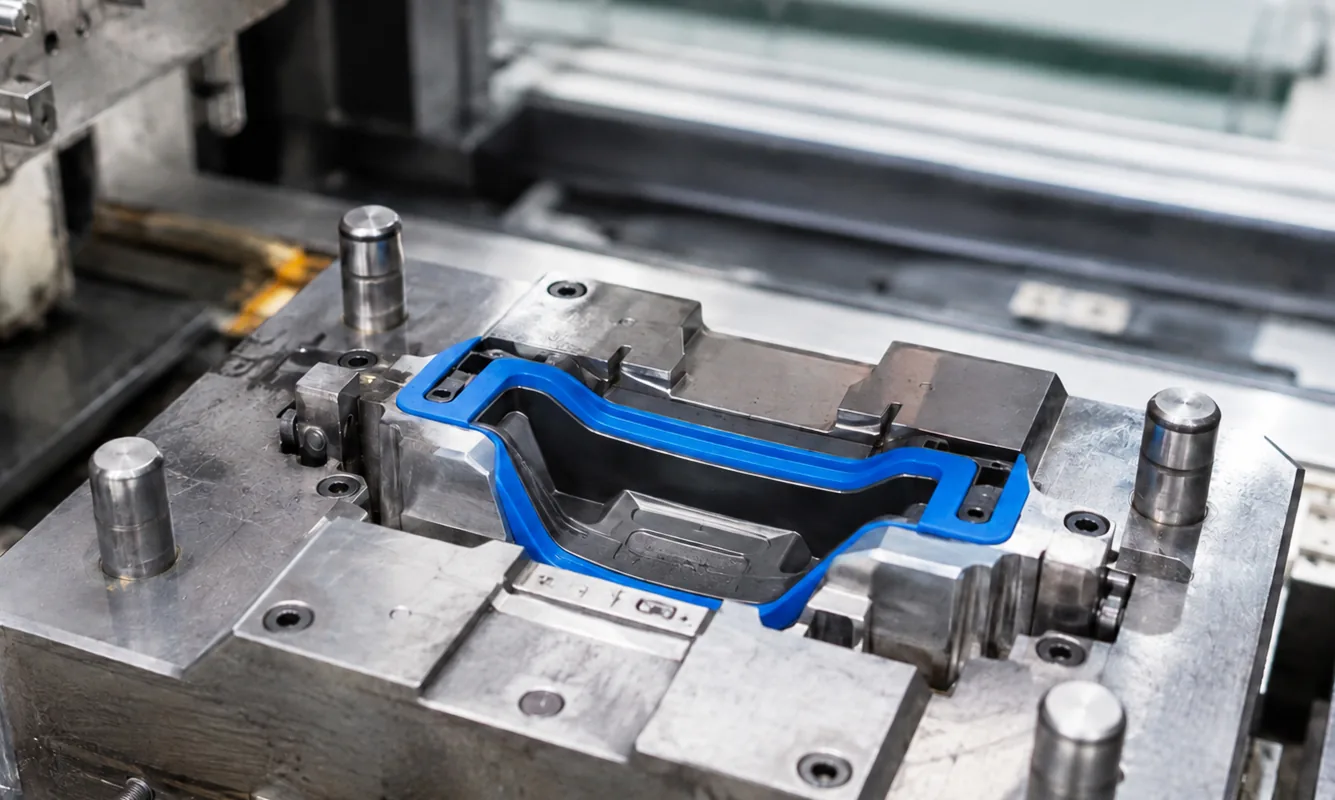
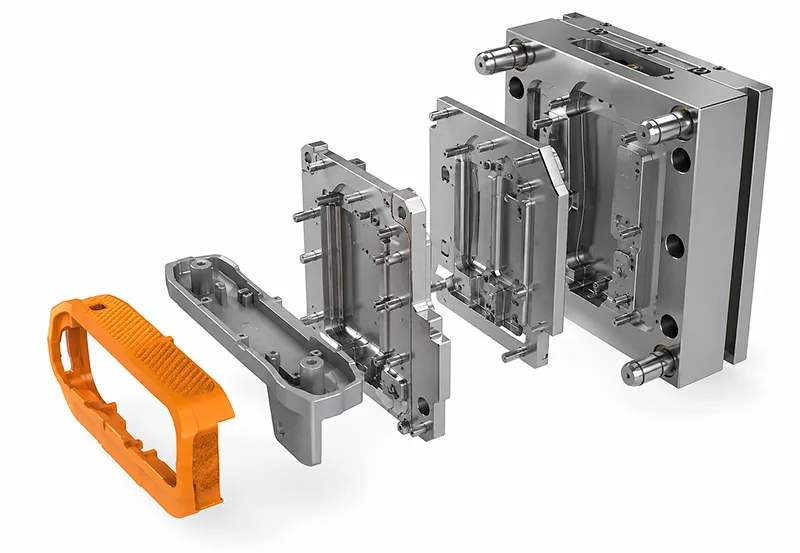
Based on the approved DFM, the substrate and overmold tools are developed as one coordinated tooling system.
Outcome for You: Fewer tooling corrections and trial-stage adjustments, helping your project move more predictably from T1 to production.
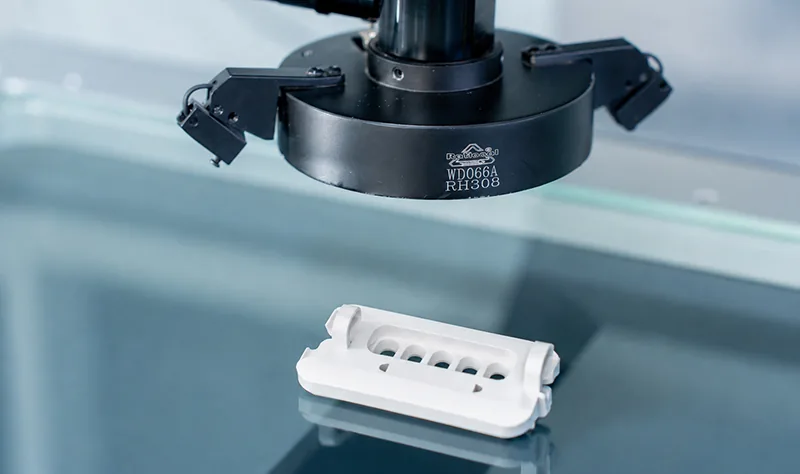
The rigid substrates are molded and inspected before the second material is injected in the overmold tool. T1 trials are then used to refine the molding process.
Outcome for You: Fewer molding-related adjustments and a more predictable transition from T1 approval to repeat production.
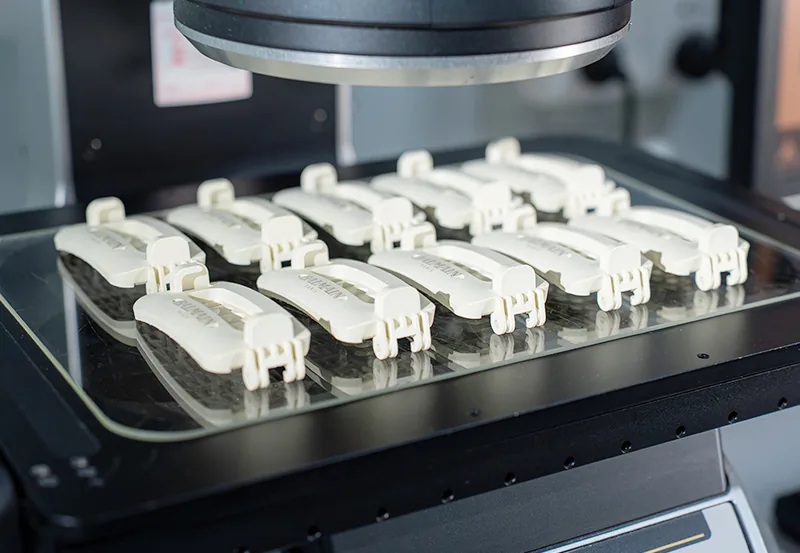
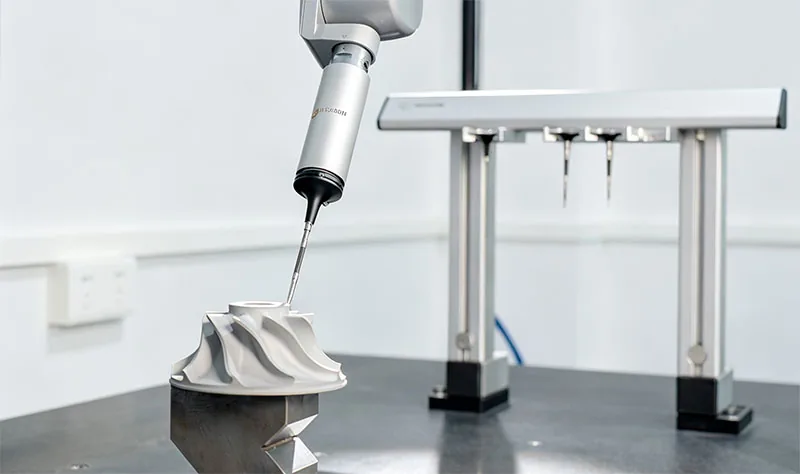
Finished parts are inspected for dimensional accuracy, overmold quality, appearance, and specified functional performance.
Outcome for You: Greater confidence that parts meet agreed dimensional, interface, appearance, and functional requirements.
Whether you're validating material bonding or scaling up production, RPWORLD supports overmolding projects with coordinated substrate molding, overmolding, and quality control. Our flexible manufacturing solutions adapt to your project’s development stage and volume requirements.
Choose substrate and overmold materials based on bonding performance, hardness, chemical resistance, appearance, and end-use requirements. The chart below shows representative material pairs supported by RPWORLD.
| Substrate Material Overmold Material | ABS | PC/ABS FR3010 or C2950 |
PC LEXAN 945 or CHIMEI 110 |
PCTG Tritan TX1001 |
PP | PA66 |
|---|---|---|---|---|---|---|
| TPV 101-87 (Santoprene) | — | — | ||||
| TPV 101-64 (Santoprene) | — | — | ||||
| TPE OM1040X-1 | — | — | ||||
| TPE OM1060X-1 | — | — | ||||
| TPE TA-65AN-019 | — | — | ||||
| TPU TU-70AT-W00 | — | — | ||||
| TPE TC-50AN-055 | — | — | — | — | — | |
| TPE TA-50AN-019 | — | — | ||||
| TPETA-65AN-N33 | — | — | — | — | — |
= Recommended material pair based on our current material and processing experience.
Material note: final bonding depends on the selected materials, part design, and molding conditions.
Need help selecting the right material pair for your application? Discuss Your Material Requirements
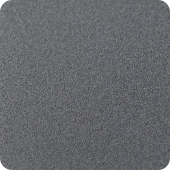
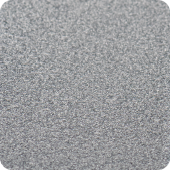
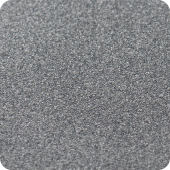
RPWORLD supports mold textures, custom material colors, part marking, secondary finishing, and selected pre-assembly for overmolded parts.
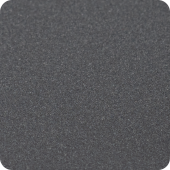
Applies color for protection and uniform appearance.
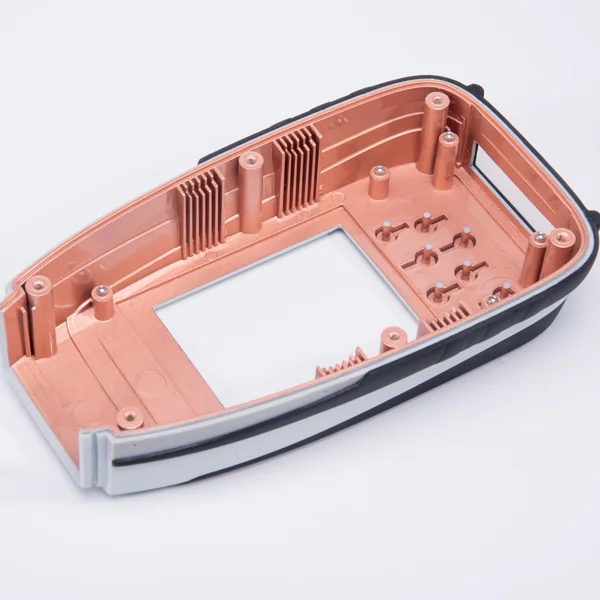
Shields electronics from electromagnetic interference.
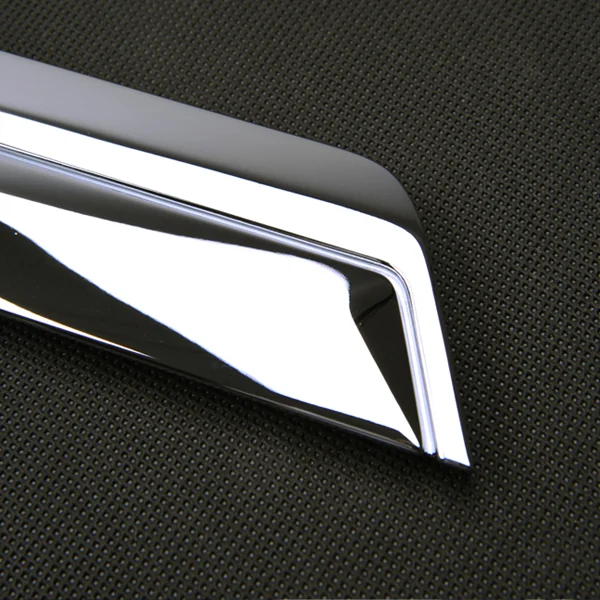
Adds a metal layer for conductivity or corrosion resistance.
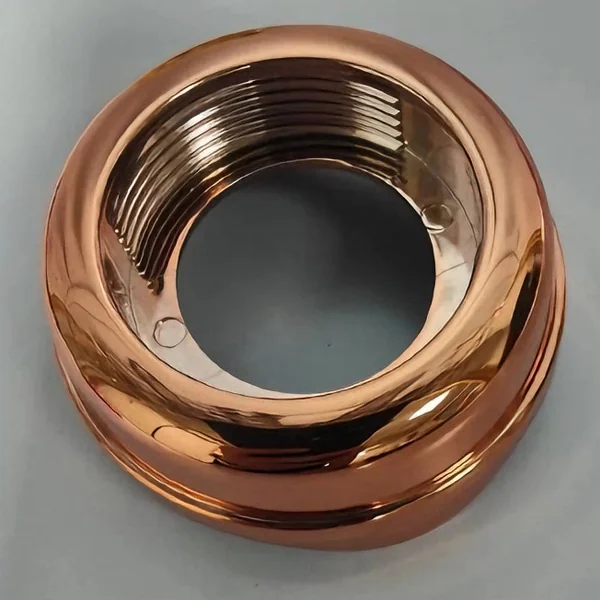
Non-conductive metal texture and functional characteristics.
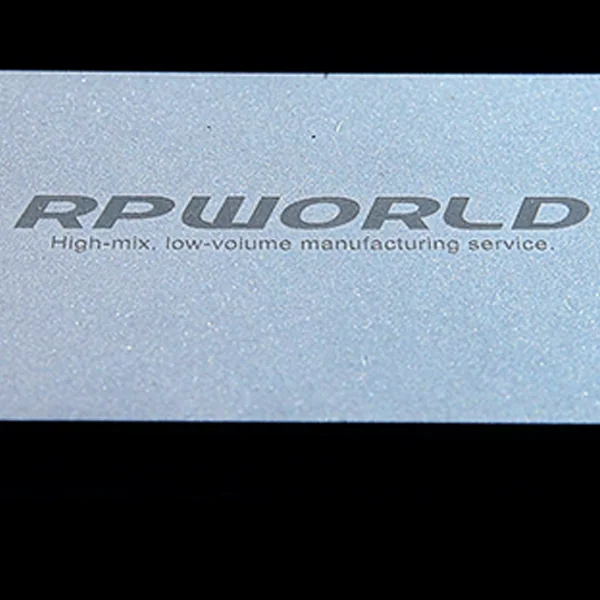
Marks logos or codes with sharp, permanent detail.
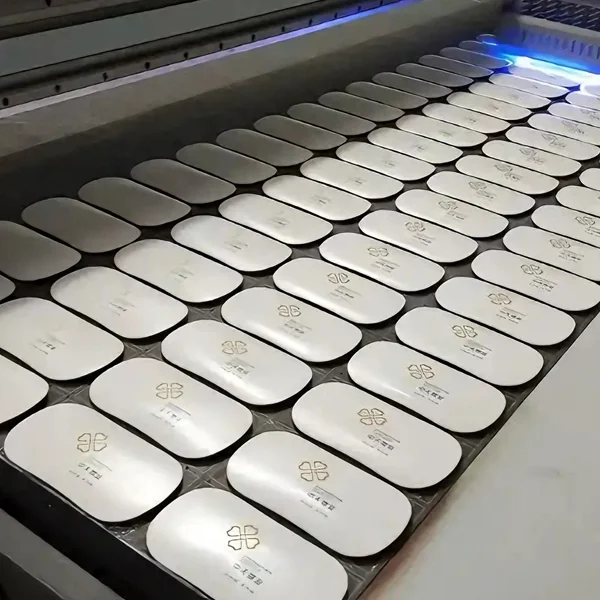
Achieve complex graphics and gradient effects.
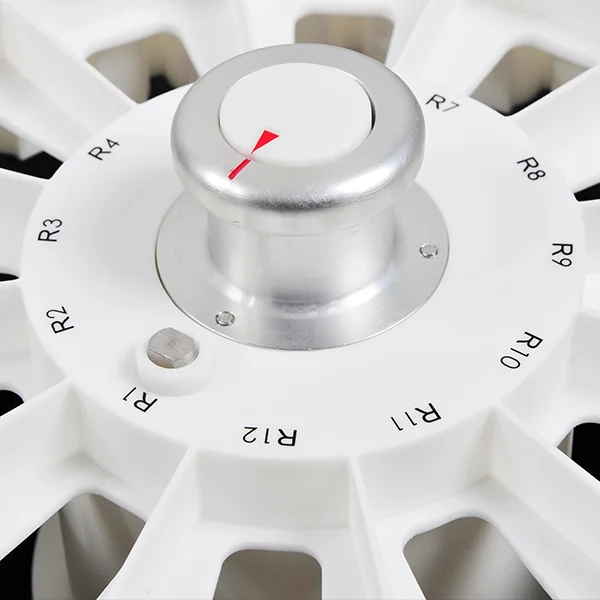
Prints logos or text using a mesh screen for consistent branding.
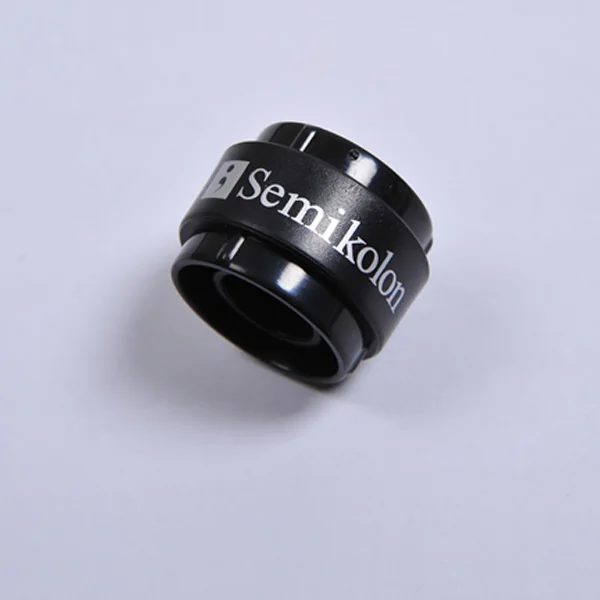
Transfers ink onto curved or uneven surfaces for clear markings.
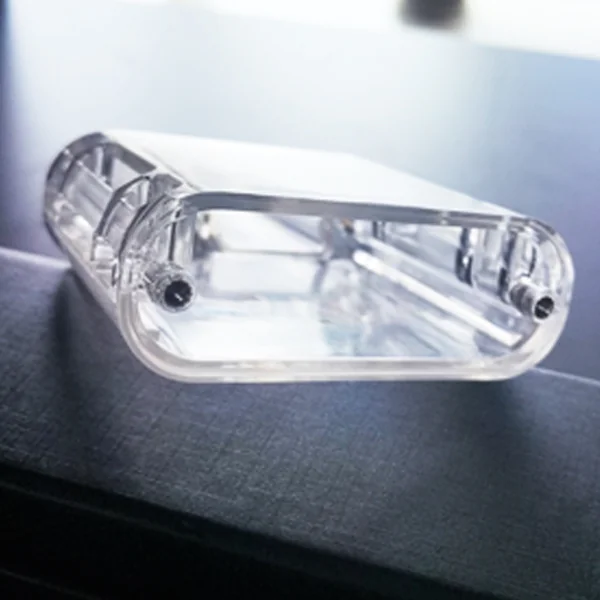
High-strength permanent connection of plastic parts.
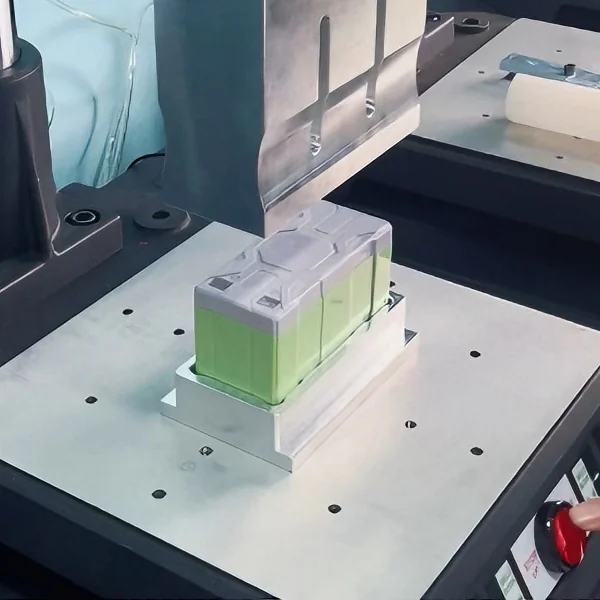
Achieve high-efficiency precision welding with beautiful surface.
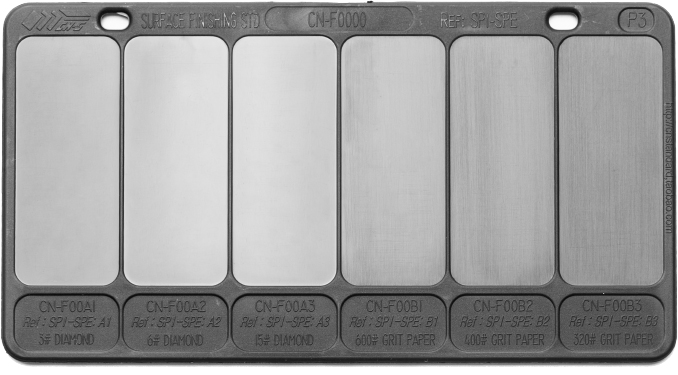
SPI Polish Board
3# DIAMOND
6# DIAMOND
15# DIAMOND
600# GRIT PAPER
400# GRIT PAPER
320# GRIT PAPER
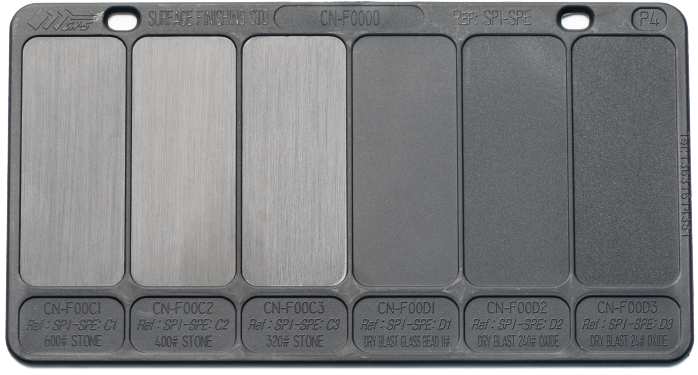
SPI Polish Board
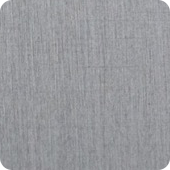
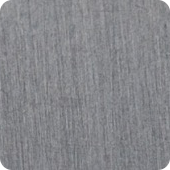
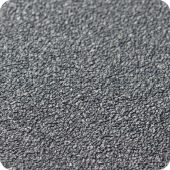
600# STONE
400# STONE
320# STONE
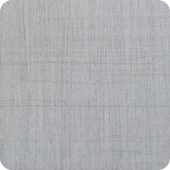
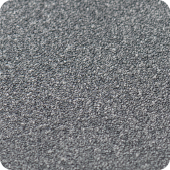
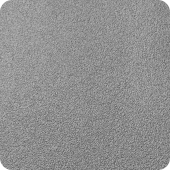
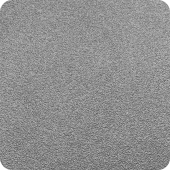
DRY BLAST 24# OXIDE
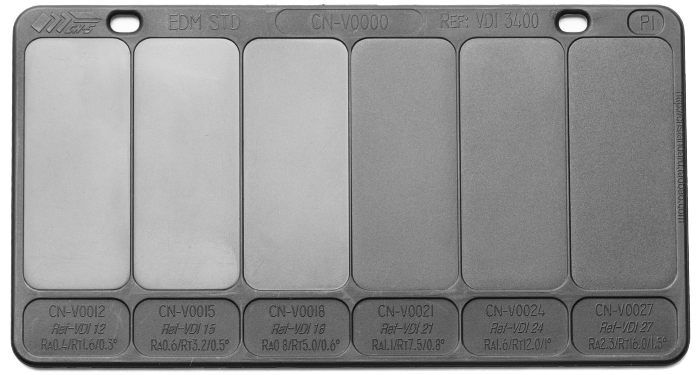
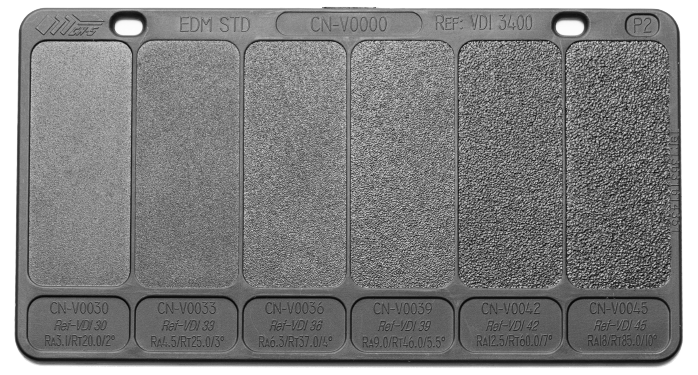
VDI 3400 EDM Standard Board
Ra0.4/Rt1.6/0.3°
Ra0.6/Rt3.2/0.5°
Ra0.8/Rt5.0/0.6°
Ra1.1/Rt7.5/0.8°
Ra1.6/Rt12.0/1°
Ra2.3/Rt16.0/1.5°
VDI 3400 EDM Standard Board
Ra3.1/Rt20.0/2°
Ra4.5/Rt25.0/3°
Ra6.3/Rt37.0/4°
Ra9.0/Rt46.0/5.5°
Ra12.5/Rt60.0/7°
Ra18/Rt85.0/10°
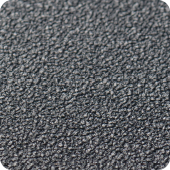
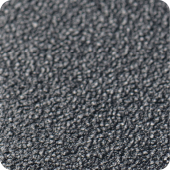
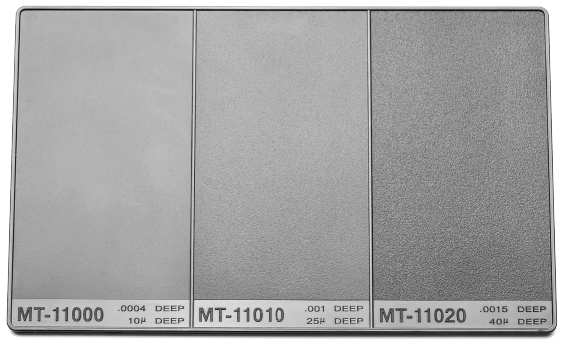
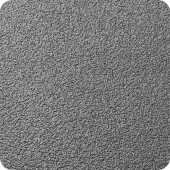
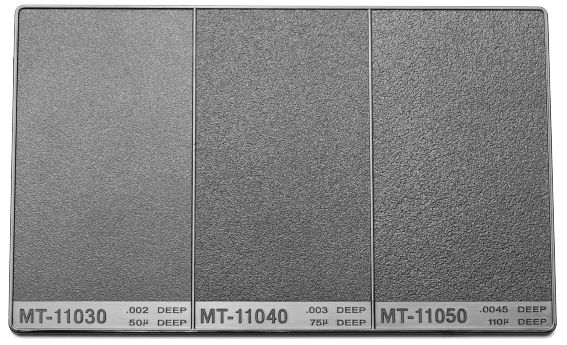
MT Texture Board
MT Texture Board
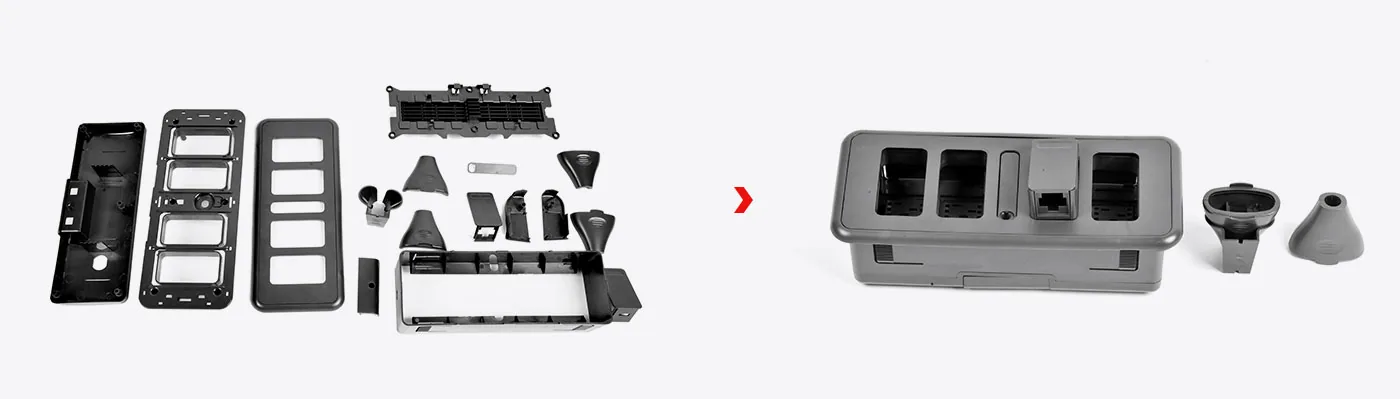
RPWORLD provides selected pre-assembly for compatible overmolded parts, including hardware installation, ultrasonic joining, and simple component fitting where required.
Overmolding adds a second plastic or elastomer material over a previously molded substrate, commonly to provide grip, sealing, protection, insulation, or soft-touch features. Insert molding places a preformed component—often a metal insert, fastener, or electronic component—into the mold before plastic is injected around it.
The right process depends on the materials, part function, interface design, production volume, and assembly requirements. RPWORLD, owned by Innorapid, can review the part design and recommend the appropriate molding approach.
Common combinations include TPE, TPU, or TPV over substrates such as ABS, PC/ABS, PC, PCTG, PP, and PA66. However, compatibility cannot be determined from the material family alone.
The exact grades, hardness, additives, colorants, operating environment, and required bonding performance must also be evaluated. Material-pair review, molding trials, and project-specific testing may be recommended before production.
Reliable bonding begins with compatible material grades and controlled molding conditions. Bond strength can also be improved through:
For critical applications, peel, pull, torque, sealing, or other functional tests can be specified to verify interface performance.
The main cost factors include:
A project review is required to determine the appropriate tooling strategy and provide an accurate quotation.
Overmolding can support functional and validation builds, pilot and bridge production, and low- to mid-volume manufacturing. The appropriate tooling and production approach depends on part complexity, substrate placement, material combination, required testing, and expected annual volume.
RPWORLD, owned by Innorapid, can recommend a tooling and molding strategy based on the current project stage and future production requirements.
Overmolding lead time depends on whether the substrate tool already exists, whether one or two molds are required, part and tooling complexity, material availability, molding trials, testing requirements, and production quantity.
For suitable projects, tooling and initial trial parts can be completed in as fast as 7 days. Production lead time is confirmed after the trial parts have been evaluated and approved.
Upload your CAD files to receive feedback on material pairing, bonding strategy, interface
design, shut-offs, substrate location,
and molding feasibility—together with a project
quote
from our injection molding team.