
Multi-Cavity Molding
Cavity-to-Cavity Consistency: Identical parts should maintain consistent texture, gloss, color, and markings across cavities and repeat production runs.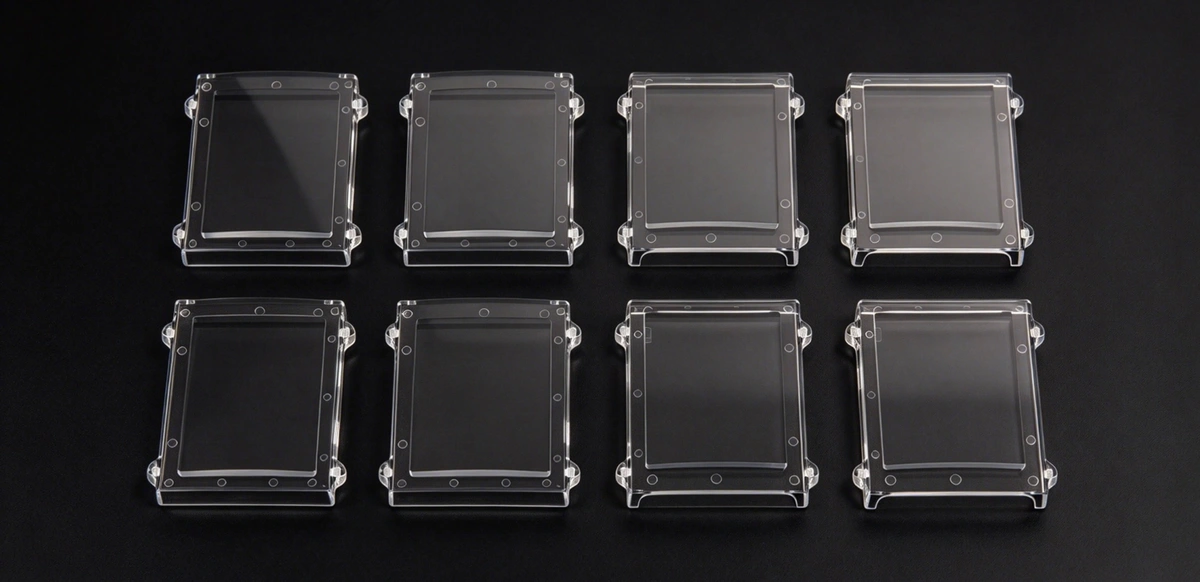
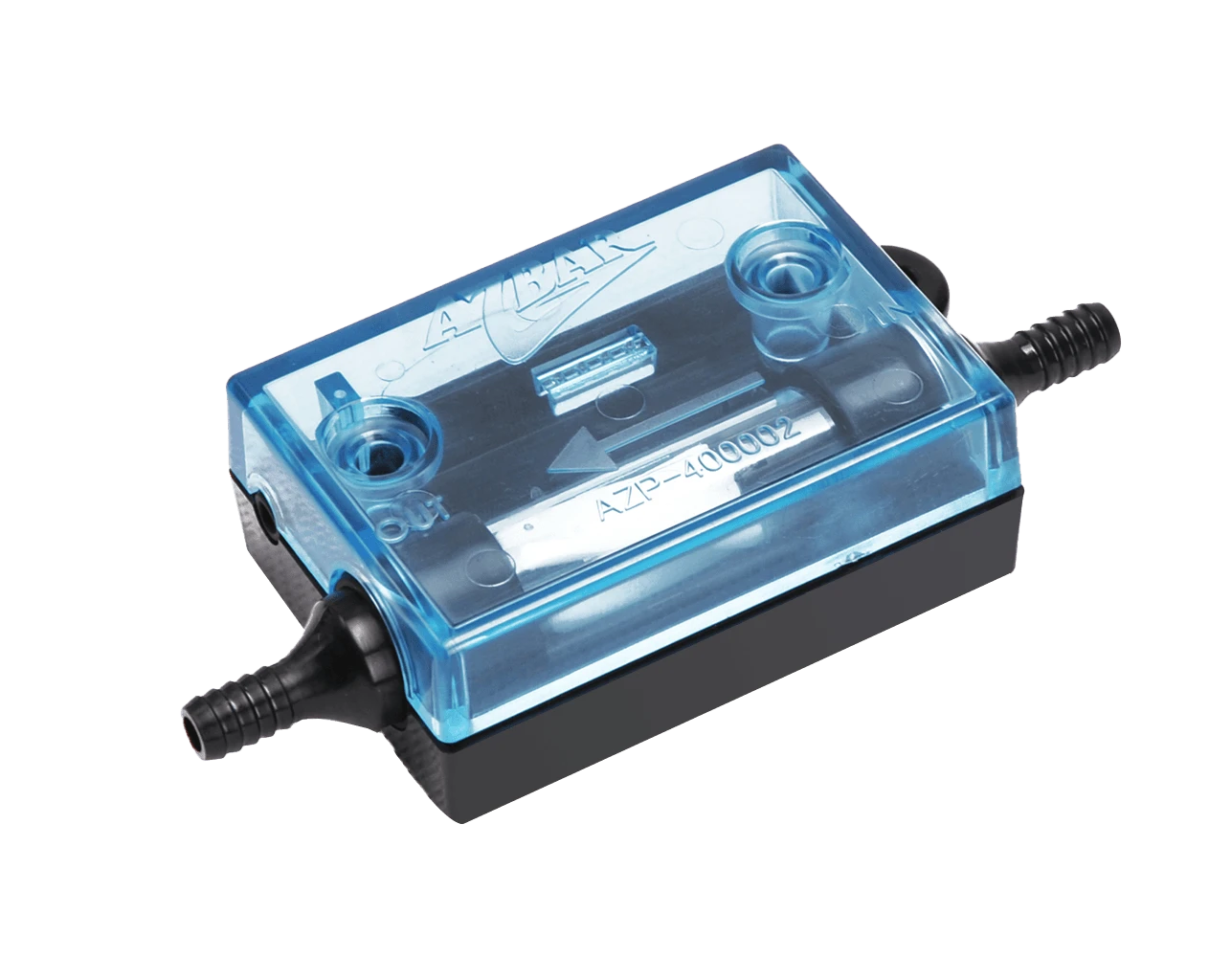
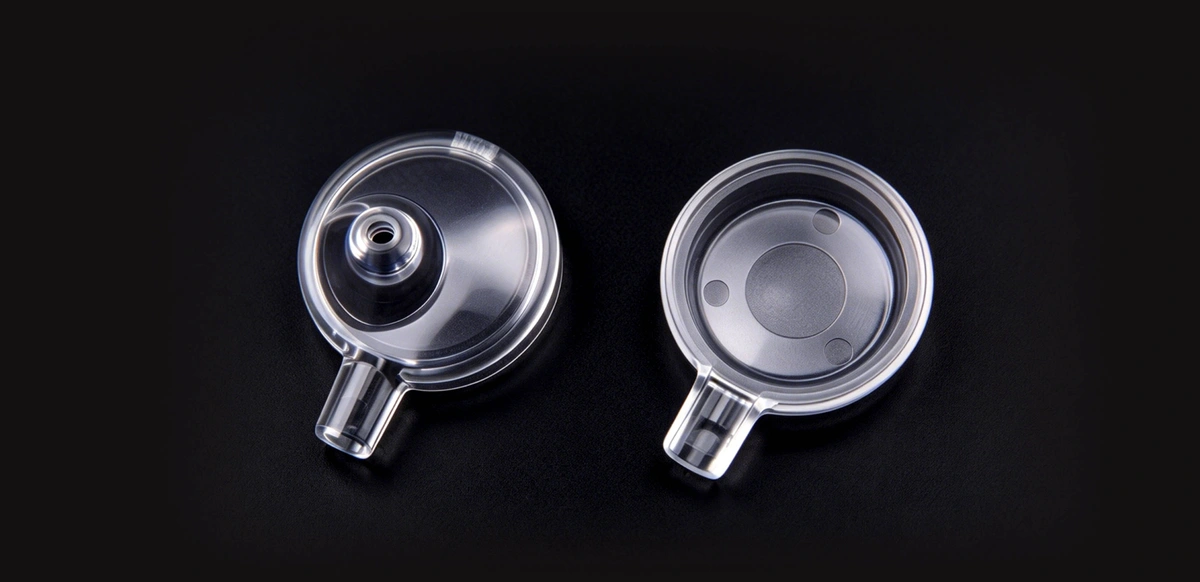
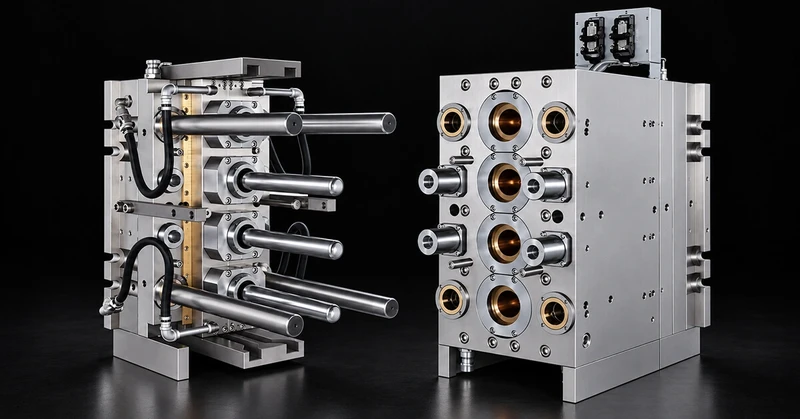
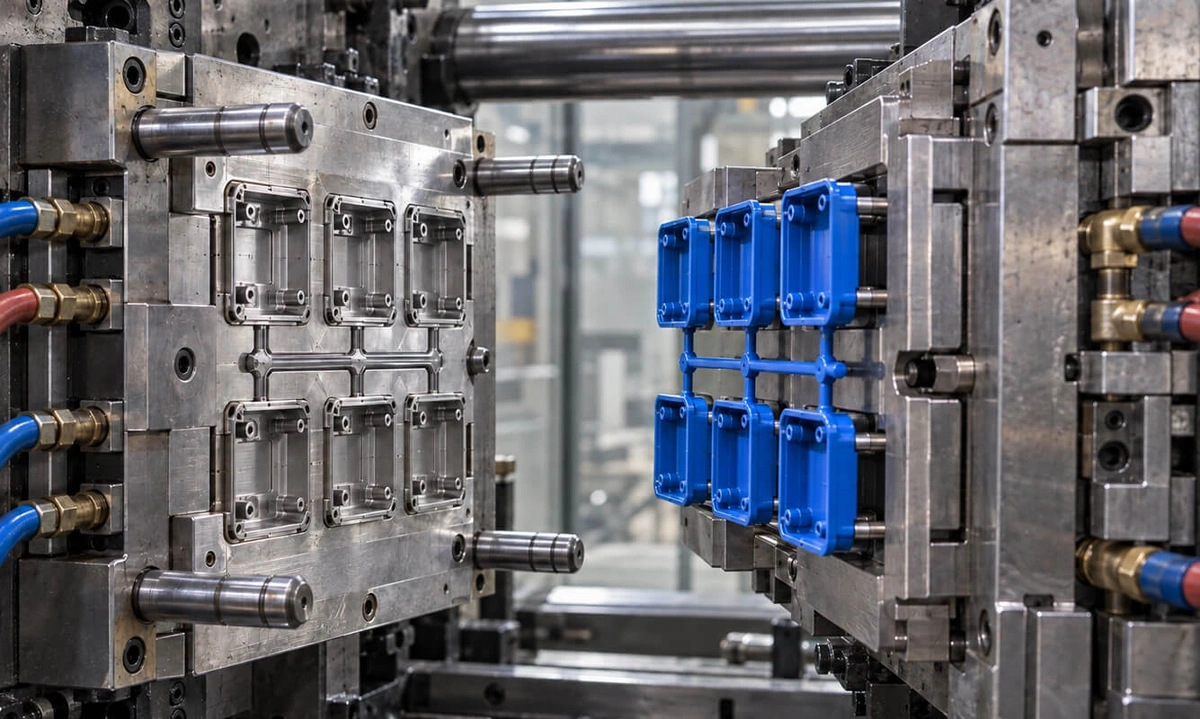
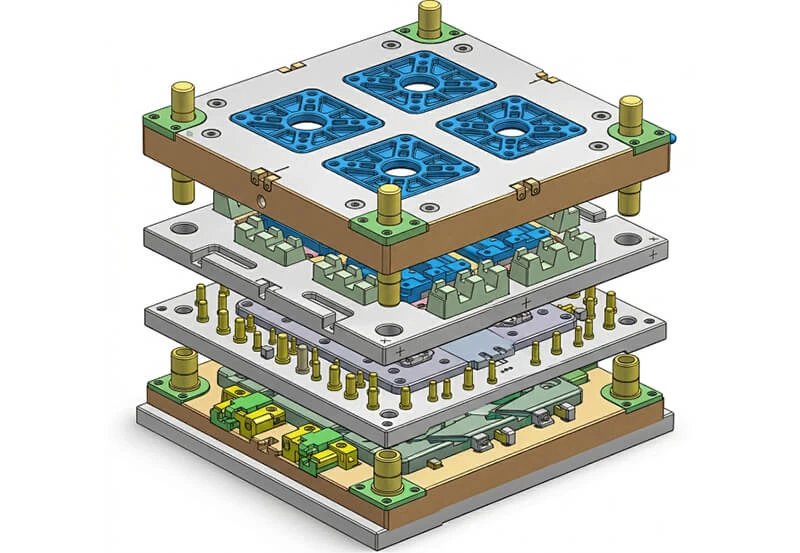
Multi-cavity and family molding are injection molding methods that use multiple cavities in one mold to produce several parts in one cycle. Multi-cavity molds produce identical parts, while family molds produce different but related parts.
RPWORLD supports cavity strategy, mold design, process validation, and production to achieve
balanced molding and consistent part quality.
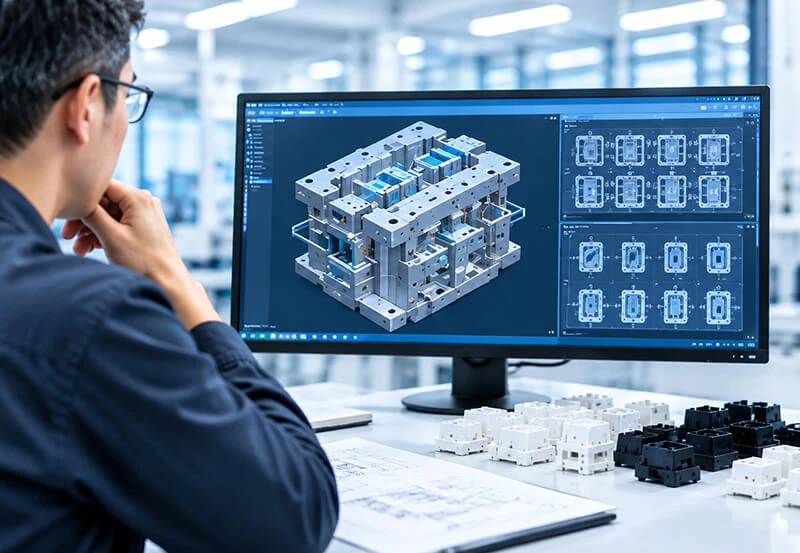
Before tooling begins, our engineers evaluate the parts and production requirements to determine the appropriate mold strategy and cavity configuration.
Outcome for You: A practical cavity strategy aligned with your parts and production needs, helping reduce molding risks and unnecessary tooling investment.
Based on the approved DFM, the mold is designed to balance filling and cooling while meeting the quality requirements of each molded part.
Outcome for You: A well-balanced mold that reduces trial-stage adjustments and supports stable, repeatable molding.
During mold trials, filling, part quality, and cavity performance are evaluated to establish stable molding parameters before production.
Outcome for You: A stable, validated molding process that supports consistent repeat production.
After process validation, production runs under controlled molding conditions.
Outcome for You: Consistent, traceable part quality that supports reliable repeat production.
Whether you need higher volumes of one part or related components produced together, RPWORLD supports cavity planning, molding, and quality control, tailored to your part design and production volume.
| Capability Category | Technical Specifications |
|---|---|
| Cavity Configuration | 2, 4, 8 or more cavities for multi-cavity molds; customized layouts for family molds |
| Recommended Parts for Family Molds | Parts using the same resin grade and with compatible part volumes, wall thicknesses, filling and cooling behavior, and production ratios. |
| Clamping Force | 80–480 tons |
| Mold-Flow Review | Cavity layout, filling balance, runner and gate design, and cooling performance |
The final cavity count, mold layout, and machine selection are determined based on part size, geometry, material, projected area, required output, and molding requirements.
RPWORLD supports 100+ thermoplastic resins for multi-cavity and family molding, with material suitability reviewed according to part and molding requirements.
| Material Consideration | RPWORLD Support & Requirements |
|---|---|
| Common Material Options | ABS, PC, PC/ABS, PP, POM, PA, PA+GF, PBT, PMMA, PE, PPS, PEI, PEEK, and more |
| Shared Material Requirements | For conventional single-shot family molding, related parts generally use the same resin grade, color, and formulation and must have compatible processing requirements. |
| Multi-Cavity Molds | Material behavior is evaluated to reduce variation between cavities producing identical parts. |
| Family Molds | The material must fill different part geometries consistently under the same molding conditions. |
Need help selecting the right materials for your injection molded parts? Discuss Your Material Requirements here
For multi-cavity and family molding, finishing is not only about selecting a texture or surface treatment. The key is maintaining consistent appearance across multiple cavities or coordinating the finish of related components that will be assembled together.
Review texture depth and gloss requirements across cavities and mating parts.
Maintain consistent molded color, printing, laser marking, or other specified appearance features.
For related family-molded parts, evaluate visible transitions and appearance after assembly where required.
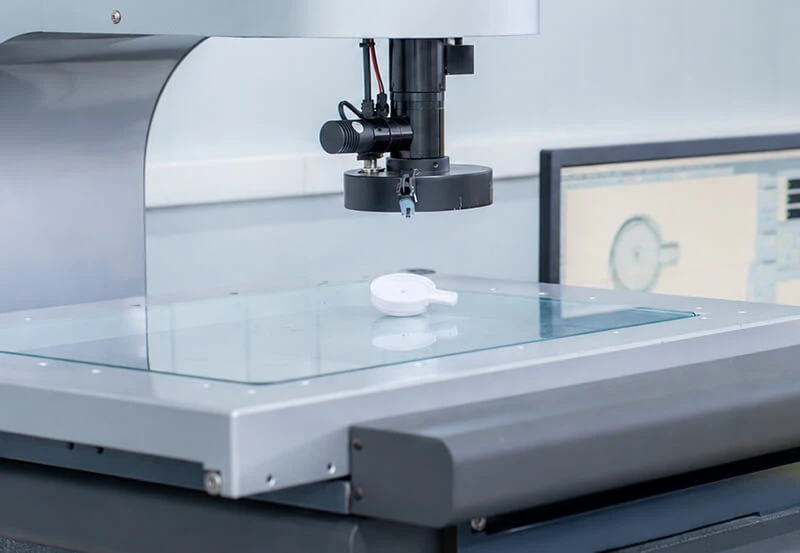
In multi-cavity and family molding, quality control goes beyond checking individual parts. RPWORLD verifies critical dimensions, appearance, cavity consistency, and related-part fit to help maintain stable quality across cavities and production runs.
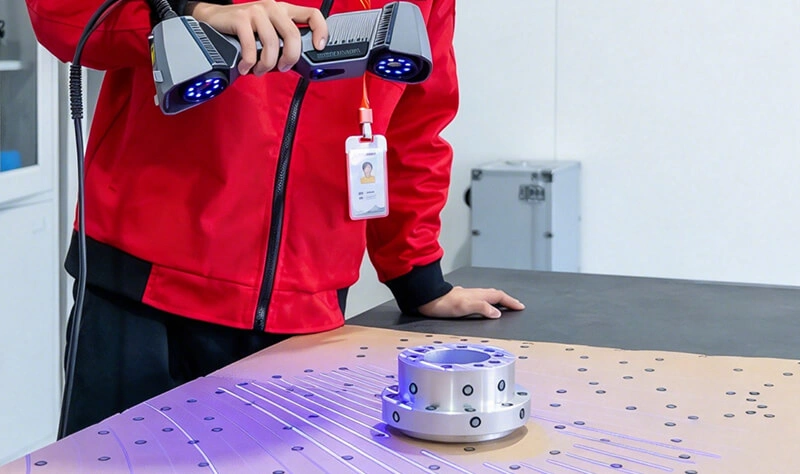
Critical dimensions and appearance are checked by cavity to identify variation between identical multi-cavity parts.
Cavity identification and inspection records help trace variation back to the specific cavity for faster analysis and correction.
Different family-molded components are inspected individually and, where required, checked together for mating fit and assembly performance.
A multi-cavity mold produces multiple identical parts in one molding cycle, while a family mold produces different but related components together. Multi-cavity molds are mainly used to increase output of the same part, whereas family molds produce related components within a single mold and molding cycle.
Cavity count depends on part size, geometry, material, required output, mold layout, and machine capacity. During DFM and mold development, runner and gate layout, filling behavior, packing, and cooling are reviewed; mold trials then verify and optimize cavity balance before production.
Family molds are generally best suited to related parts with compatible molding requirements, including resin, wall thickness, part volume or weight, filling behavior, cooling time, shrinkage, and production ratios.
For conventional single-shot family molding, the parts normally use the same resin grade, color, and formulation. Parts requiring different materials or substantially different processing conditions are typically better produced in separate molds or with another molding process.
Different demand levels can create excess inventory of one component while another remains in short supply. During DFM, RPWORLD reviews the required production ratio and may adjust the cavity layout—for example, two cavities for one component and one for another—where technically practical.
If the required quantities or molding conditions differ significantly, separate molds may provide better production flexibility.
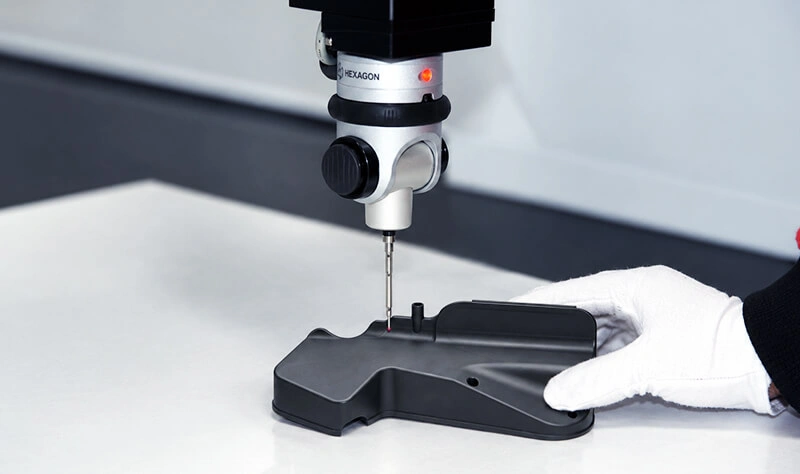
First-off parts from each cavity can be verified through FAI using dimensional and visual inspection methods such as CMM, 3D scanning, and optical measurement where required.
Cavity identification and inspection records allow dimensional or visual variation to be traced back to the corresponding cavity for analysis and correction. For family-molded components, mating fit or functional checks may also be performed when required.
A multi-cavity mold can reduce unit cost when repeat production demand is high enough to justify the additional tooling complexity and investment.
The overall economics depend on cavity count, cycle time, material use, molding efficiency, tooling cost, expected production volume, and maintenance requirements. For lower or uncertain demand, fewer cavities may provide greater flexibility and a lower initial tooling investment.
Upload your CAD files and project requirements for engineering feedback on part design, mold
strategy,
and molding feasibility—together with a project quote.