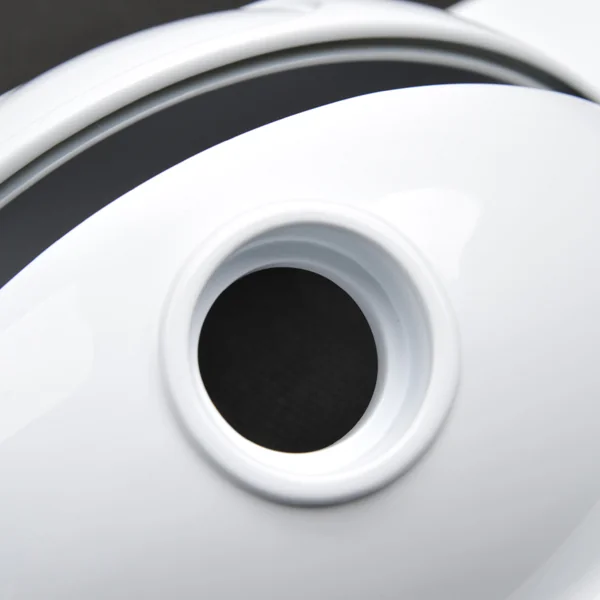
Painting
Applies color for protection and uniform appearance.
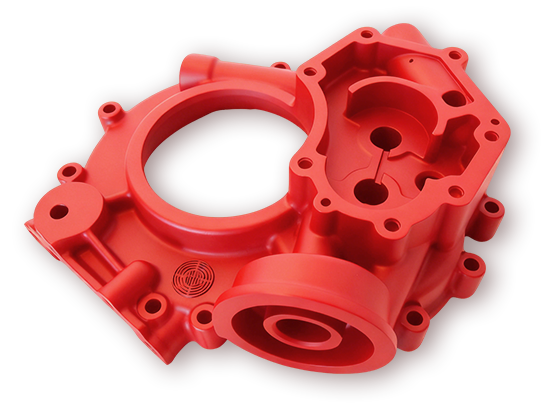
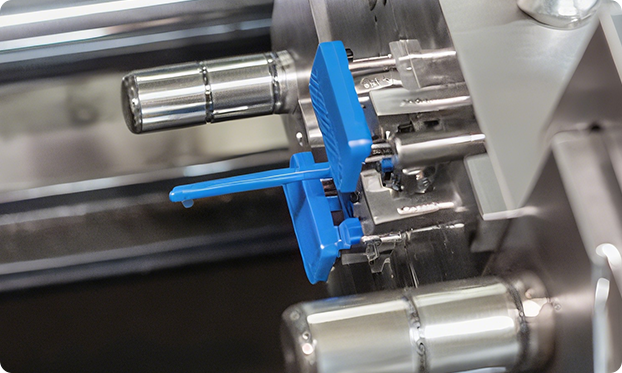
Plastic injection molding is a manufacturing process used to produce precise, repeatable plastic parts at scale. It works by melting polymer resin and forcing it into a metal mold where it cools and solidifies into the final shape. The workflow typically includes:
 Melt Plastic
Inject Mold
Cool & Release
Melt Plastic
Inject Mold
Cool & Release
At RPWORLD, we see ourselves as an extension of your engineering team. Our injection molding process is built not just to manufacture parts, but to optimize your design for performance, cost, and manufacturability. From leveraging rapid aluminum tooling for 7-day lead times to employing durable steel molds for high-volume production, we ensure a seamless transition from prototype to production, backed by over 100 engineering-grade materials.
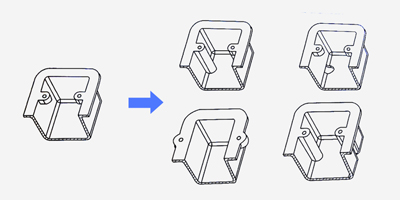
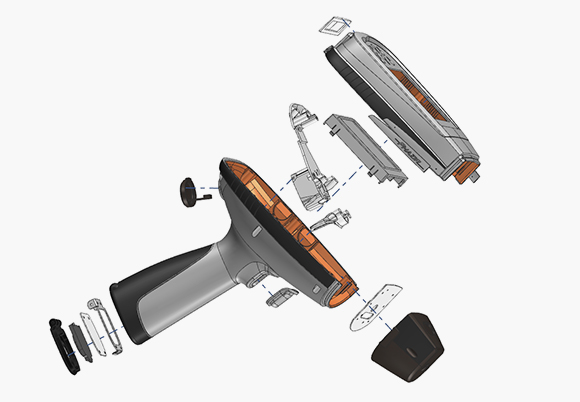
We begin with a deep-dive Design for Manufacturability (DFM) analysis. Within 24 hours of receiving your CAD model, our engineers provide a detailed report that goes beyond basic checks.
Outcome for You: Reduced rework risk, faster time-to-market, and a production-ready design.
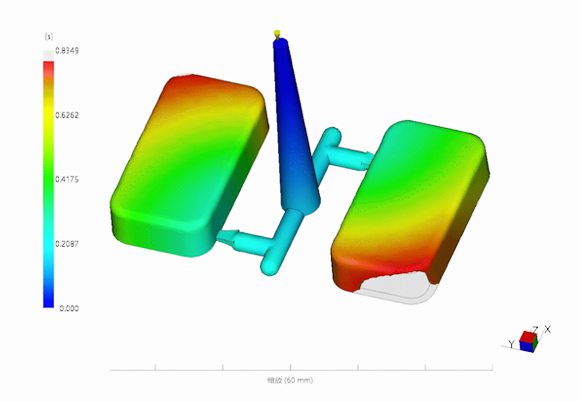
Before any metal is cut, we virtualize the entire process. Our mold designers and engineers use advanced simulation software to create a mold that is both durable and efficient.
Outcome for You: Faster cycle times, lower per-part cost, and consistent part quality from the first shot.
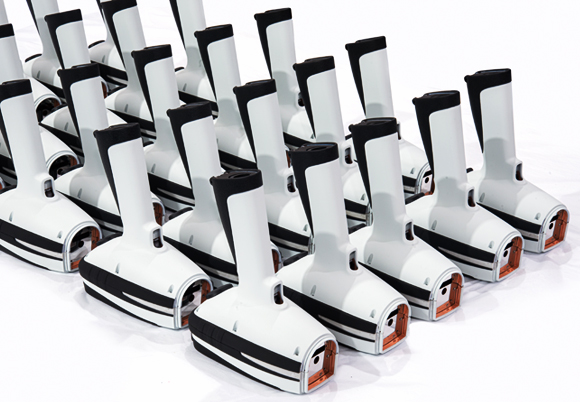
From first shots to full-scale production, our injection molding services are built for speed, flexibility, and quality. Whether you need 50 or over 100,000 parts, we tailor the process to meet your volume, lead time, and performance needs.
Outcome for You: Fast, reliable production with consistent quality and full traceability.
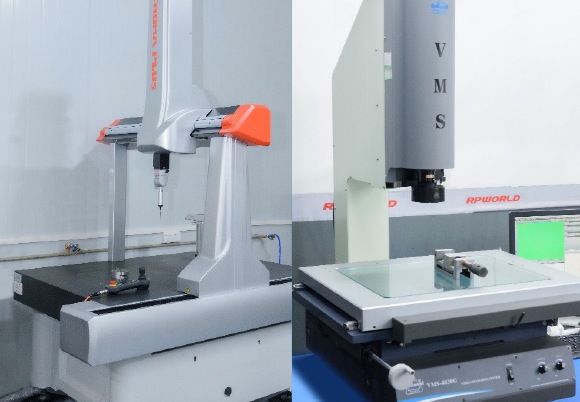
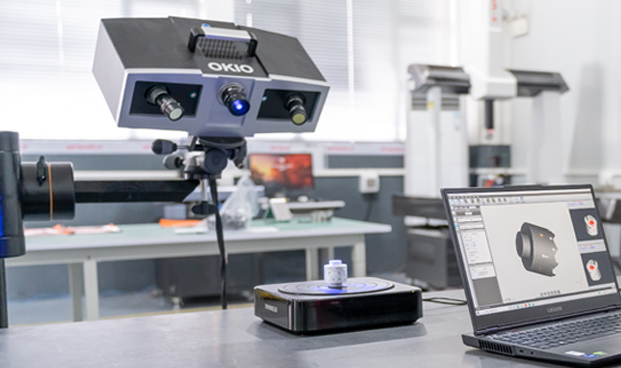
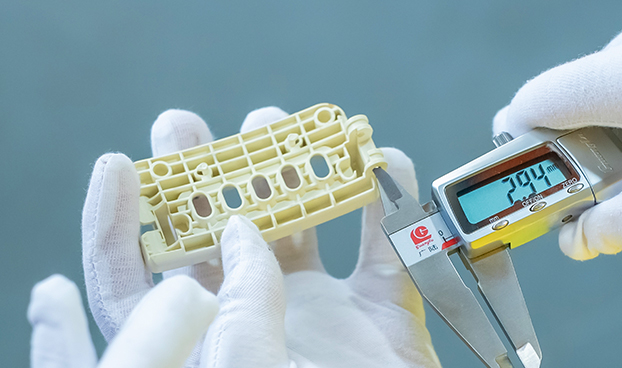
Our ISO-certified quality system (ISO 9001, ISO 13485, ISO 14001) ensures consistent compliance throughout production. We verify dimensional accuracy, surface quality, and functional features against your specifications.
Outcome for You: Verified quality, documented compliance, and confidence in every delivered part.
Whether you're iterating on a prototype or ramping up to full scale, RPWORLD provides the right combination of speed, volume, and precision. Our flexible manufacturing ecosystem is designed to adapt to your project's lifecycle.


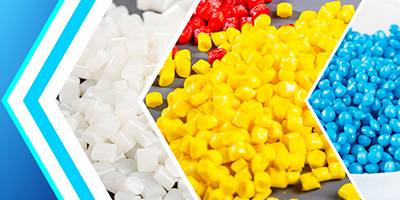
RPWORLD supports 100+ thermoplastic resins. Here are some commonly used options for injection molding. Find the most suitable engineering plastics for your project — filter by application scenarios or directly compare material properties.
Rigid and impact-resistant materials ideal for electronic device enclosures, tool housings, and similar components.
Suitable for engine-bay parts and electronic components operating in high-temperature environments.
Perfect for lenses, visors, dashboards, and other applications requiring both clarity and strength.
Ideal for components requiring flexibility, vibration absorption, or a soft-touch feel.
Materials that meet biocompatibility and FDA requirements, suitable for medical devices and food-grade packaging.
High-strength materials for structural parts and components subjected to mechanical loads.
Economical materials for high-volume, non-structural applications.
| Property | ABS | PC | Nylon |
|---|---|---|---|
| Impact Strength | High | Very High | High |
| Heat Resistance | Fair | Good | Good |
| Chemical Resistance | Fair | Fair | Good |
| Rigidity | Medium | High | High |
| Transparency | Opaque | Transparent | Opaque |
| Cost | Low | Medium | Medium |
| Description | A general-purpose engineering plastic offering good overall properties; easy to mold and plate. | A transparent engineering plastic with excellent impact strength and heat resistance. | A tough engineering plastic with outstanding wear resistance and mechanical strength. |
Surface Finishing Options
Applies color for protection and uniform appearance.
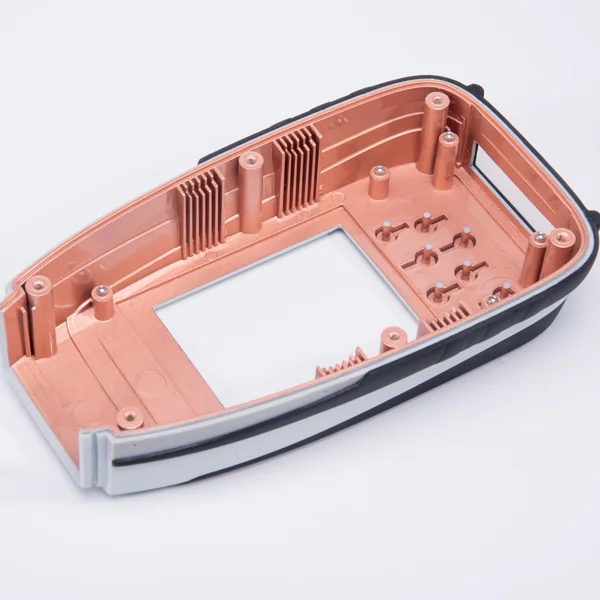
Shields electronics from electromagnetic interference.
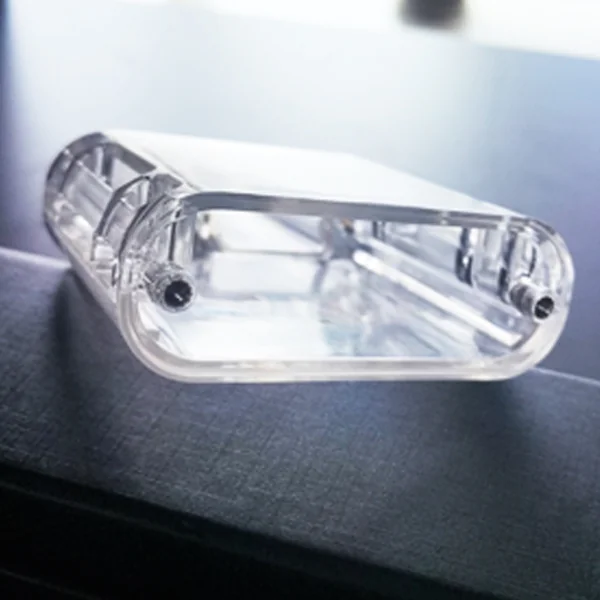
High-strength permanent connection of plastic parts.
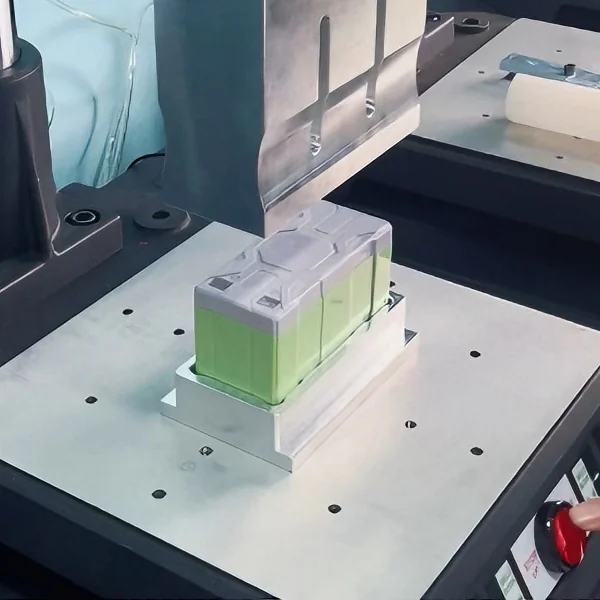
Achieve high-efficiency precision welding with beautiful surface.
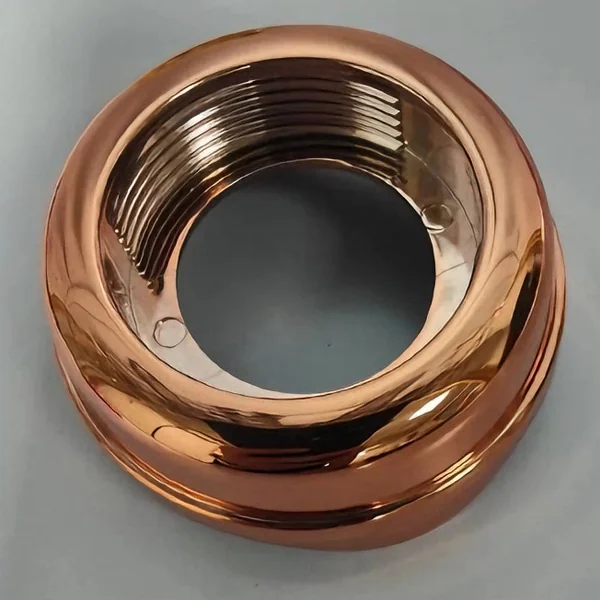
Non-conductive metal texture and functional characteristics.
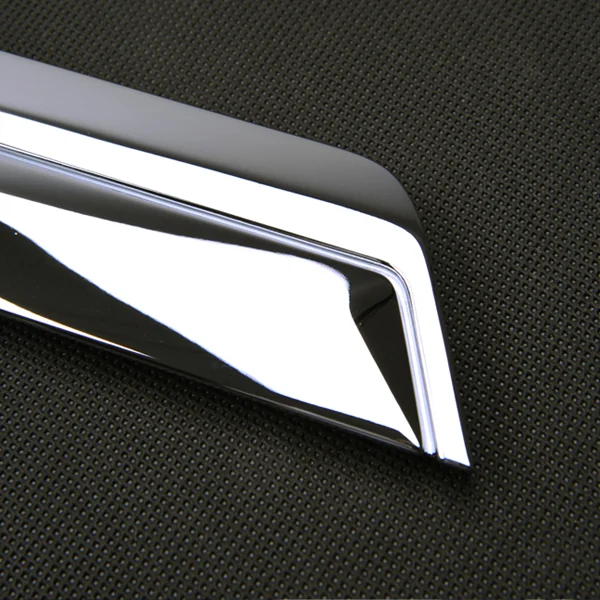
Adds a metal layer for conductivity or corrosion resistance.
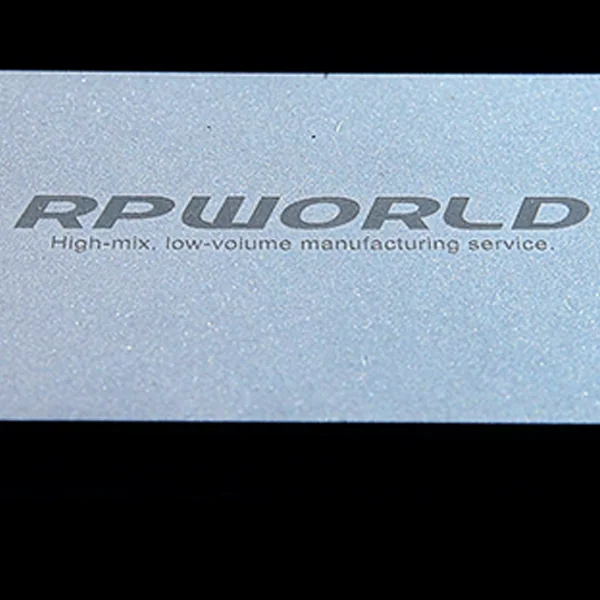
Marks logos or codes with sharp, permanent detail.
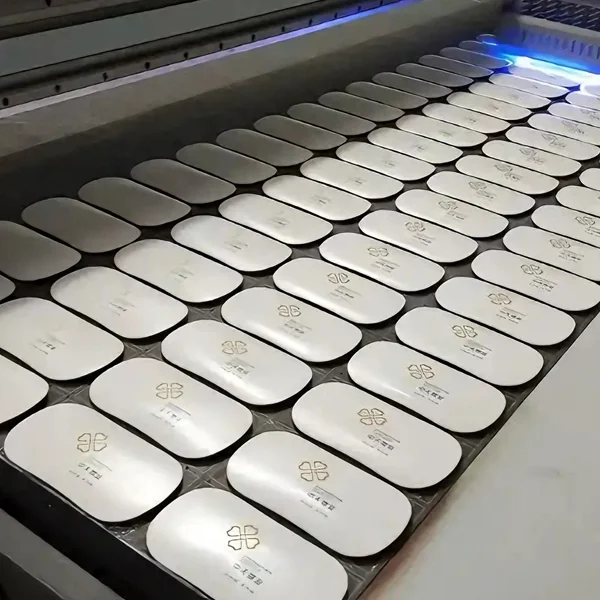
Achieve complex graphics and gradient effects.
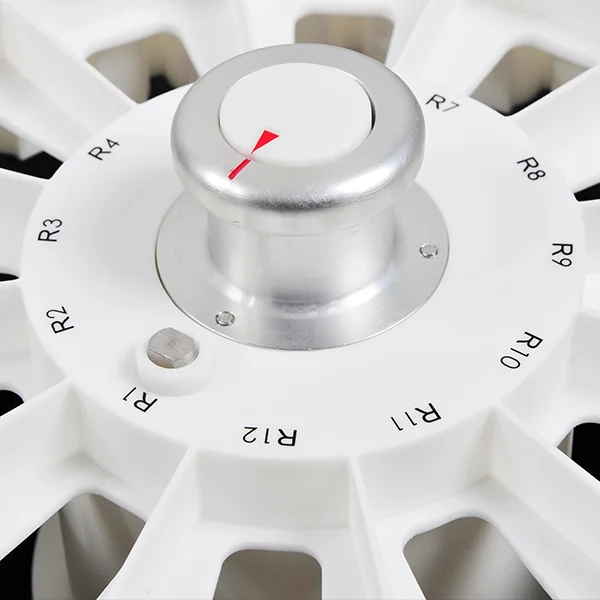
Prints logos or text using a mesh screen for consistent branding.
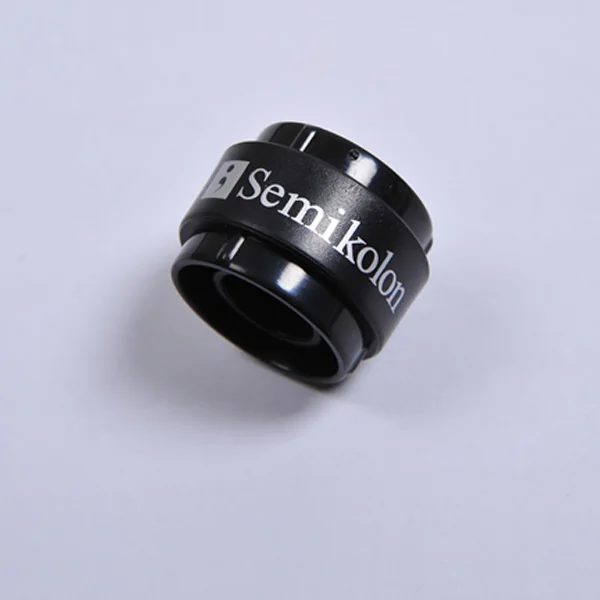
Transfers ink onto curved or uneven surfaces for clear markings.
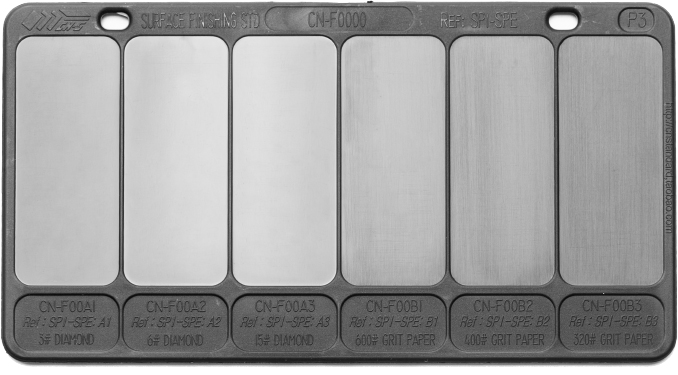
SPI Polish Board
3# DIAMOND
6# DIAMOND
15# DIAMOND
600# GRIT PAPER
400# GRIT PAPER
320# GRIT PAPER
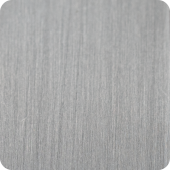
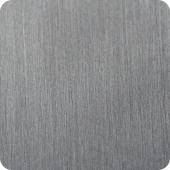
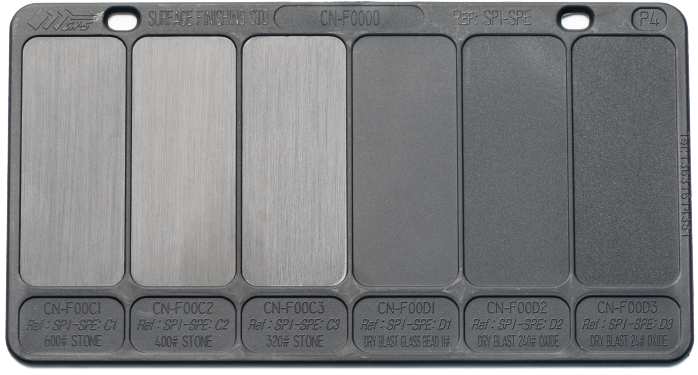
SPI Polish Board
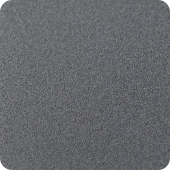
600# STONE
400# STONE
320# STONE
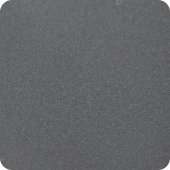
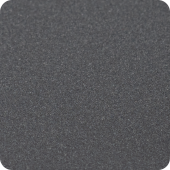
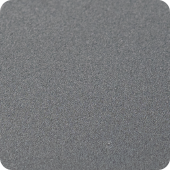
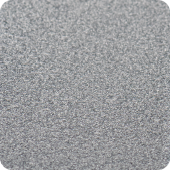
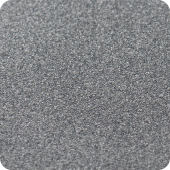
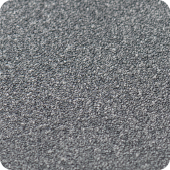
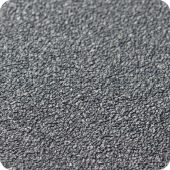
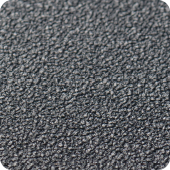
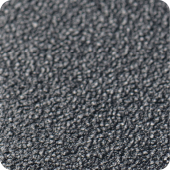
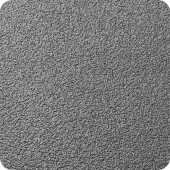
DRY BLAST 24# OXIDE
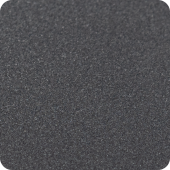
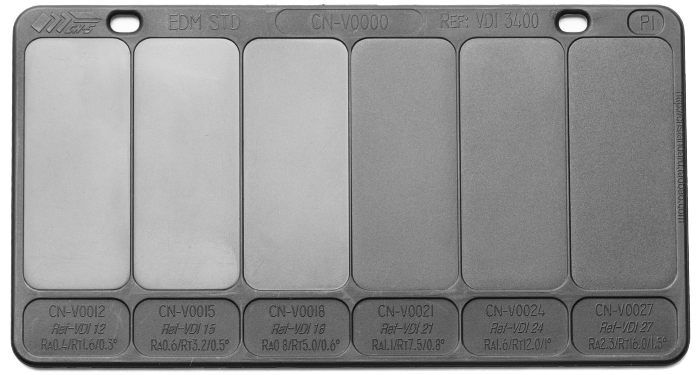
VDI 3400 EDM Standard Board
Ra0.4/Rt1.6/0.3°
Ra0.6/Rt3.2/0.5°
Ra0.8/Rt5.0/0.6°
Ra1.1/Rt7.5/0.8°
Ra1.6/Rt12.0/1°
Ra2.3/Rt16.0/1.5°
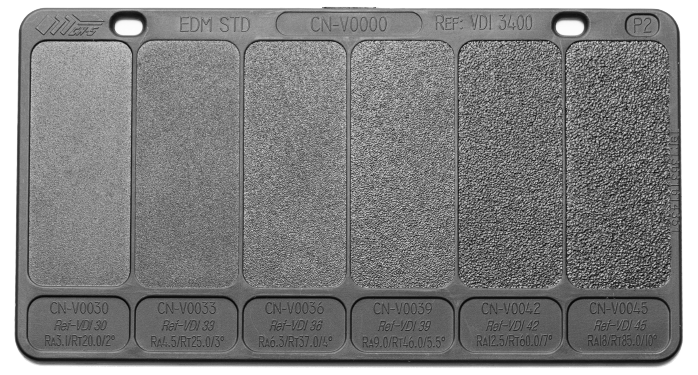
VDI 3400 EDM Standard Board
Ra3.1/Rt20.0/2°
Ra4.5/Rt25.0/3°
Ra6.3/Rt37.0/4°
Ra9.0/Rt46.0/5.5°
Ra12.5/Rt60.0/7°
Ra18/Rt85.0/10°
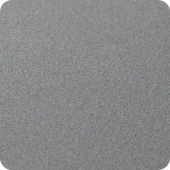
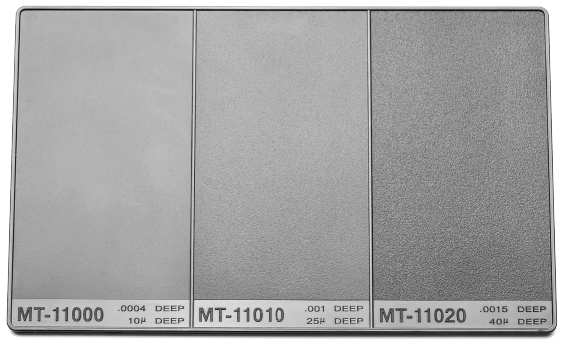
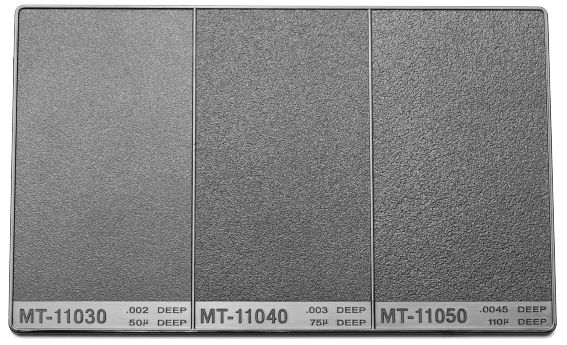
MT Texture Board
MT Texture Board
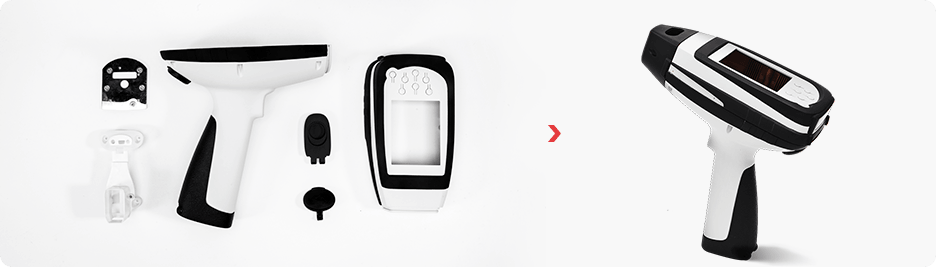
As part of our one-stop manufacturing service, RPWORLD offers basic mechanical assembly to streamline your production process and reduce time-to-market.

Plastic injection molding is a manufacturing process used to produce precise, repeatable plastic parts by melting thermoplastic resin and injecting it into a metal mold. Once the plastic cools and solidifies, the finished part is ejected and the cycle repeats.
It is widely used for custom plastic parts that require consistent dimensions, stable quality, and scalable production.
RPWORLD supports plastic injection molding projects from prototype and low-volume production to bridge production, pilot runs, and full-scale manufacturing.
Our injection molding services are suitable for custom plastic parts used in medical devices, scientific instruments, consumer electronics, automotive validation parts, industrial equipment, and other engineered products.
RPWORLD can deliver plastic injection molded parts in as fast as 7 days, depending on part complexity, mold requirements, material selection, surface finish, and inspection needs.
For more complex projects, lead time may vary based on mold design, tooling, validation, and production volume.
RPWORLD supports 100+ thermoplastic materials for injection molding, including ABS, PC, PC/ABS, Nylon, POM, PP, TPU, PMMA, PEEK, PE, and PA6+GF30.
Material selection depends on mechanical strength, heat resistance, chemical resistance, dimensional stability, transparency, cost, regulatory needs, and end-use application.
Yes. RPWORLD provides Design for Manufacturability (DFM) review before mold making to help identify potential molding risks early.
Our engineers review process feasibility, material selection, surface treatment requirements, wall thickness, draft, ribs, bosses, gate location, shrinkage, sink marks, warpage, and assembly-related risks before production begins.
RPWORLD provides quality assurance throughout the plastic injection molding process, including incoming material control, first article inspection, in-process quality control, outgoing quality control, dimensional inspection, material verification, and quality documentation.
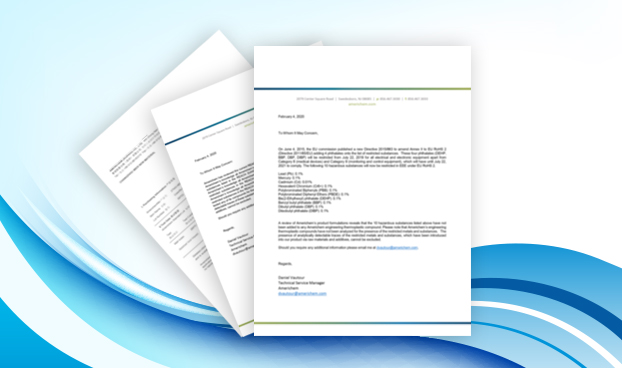
Available documentation may include FAI reports, COA, RoHS and REACH certificates, and other inspection records based on project requirements.
Upload your CAD files to receive manufacturability feedback, material and surface finish recommendations, and a project quote from RPWORLD’s injection molding team.